Leadership Lessons From EY’s Former CEO
Carmine Di Sibio spent decades at EY and led the firm as Global Chairman and CEO until he retired on June 30, 2024. EY says he reached the firm's…

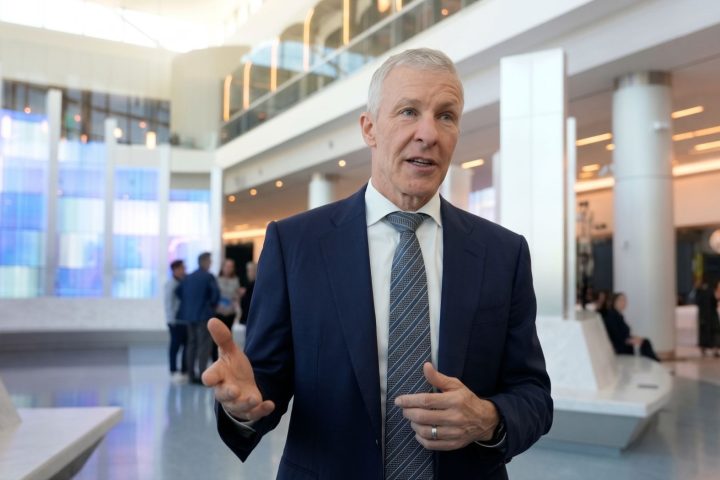
Carmine Di Sibio spent decades at EY and led the firm as Global Chairman and CEO until he retired on June 30, 2024. EY says he reached the firm's mandatory retirement age, and he has since joined the boards of PayPal and Prudential as an independent director. His public talks, and EY's own announcements, show how he thought about running one of the largest professional services firms in the world. In 2019 he led development of EY's global strategy, called NextWave. This article walks through those moments and what other leaders can learn from them.
He Turned a Lost Client Into a New Business
At a September 2020 talk at the University of Maryland's business school, Di Sibio described an early moment in his 35-year EY career. He lost a big client, then used the setback to start a risk-management practice with a few partners. He offered the story as advice to students hoping to make an impact, saying they should be open to innovation. He said that practice was already a billion-dollar business in the U.S. alone. EY's profile of him now calls the practice a multibillion-dollar global business. OUR VIEW: leaders can treat a loss as a signal to build something new, instead of only asking what went wrong.
He Said the Imperial CEO Is Gone
In a 2021 World Economic Forum podcast, Di Sibio said, "The days of the imperial CEO, they're gone." The Forum's summary says he described a top-down style that would not last a week in modern firms, because leaders cannot simply dictate orders to a small team. Instead, today's leaders need a purpose and a strategy so teams know what the organization is trying to accomplish. The summary also says that with 300,000 employees, he knows EY can affect society at scale, and it points to a neurodiversity program that gives jobs to people with autism.
He Backed a Wider Purpose for Business
Di Sibio said companies have a big role in solving social problems. According to the University of Maryland report, he joined a 2019 Business Roundtable pledge in which corporate leaders redefined the purpose of a corporation to benefit all stakeholders, not only shareholders. He was also working with the other Big Four firms and Bank of America, through the World Economic Forum's International Business Council, on a way for companies to disclose metrics in four areas, people, planet, prosperity and governance. OUR VIEW: purpose is easier to believe when it comes with numbers a company agrees to report.
He Kept Two Priorities in a Crisis
When COVID-19 began, Di Sibio sent a first message to EY partners and people that named two priorities, taking care of people and taking care of clients. He said that if the firm did those two things, it would get through the pandemic. The University of Maryland report adds that EY grew revenue 5% over the previous year at that point. He also said relationships the firm had already built were the ones that let it do and win work during the crisis, and that Microsoft Teams use rose from 1,500 people in February to almost 300,000. He also told students they need not be great programmers, but should know how to use technology tools. OUR VIEW: a short list of priorities is easier for a huge organization to follow than a long one.
He Admitted When a Big Plan Stalled
In April 2023, EY announced that it was stopping work on Project Everest, which set out to separate the EY businesses. EY said it stayed committed to its vision and goals, but that after the challenges raised in recent months it was unable to proceed. It added that it would continue to focus on clients and take actions based on what it had learned over the past year. EY's succession release says Di Sibio pushed to be an industry disruptor through it, and that it shaped EY and the sector. OUR VIEW: a leader's record includes plans that did not happen, and the way EY explained this one was direct and brief.
He Planned the Handoff Early
In November 2023, EY announced that Janet Truncale would succeed him as Global Chair and CEO effective July 1, 2024, more than seven months before he stepped down. Truncale said she was inspired by the example he set, including his focus on staying ahead in technology and on EY values. OUR VIEW: naming a successor well ahead of time gives a firm this size a calm and predictable transition.
The pattern across these moments is simple. He pushed purpose over title, kept priorities short, owned a failed plan, and left on a set date with a successor ready. Those are habits any leader can copy, whatever the size of the team.