Cancer Will Be History In 10 Years: Anthropic CEO’s Big Promise
Anthropic CEO Dario Amodei told prospective investors that cancer, Alzheimer's disease, heart disease and mental illness could become history within about…

Anthropic CEO Dario Amodei told prospective investors that cancer, Alzheimer's disease, heart disease and mental illness could become history within about a decade. He made the forecast in a 42-minute roadshow video on Anthropic's IPO site, which lists the video in chapters. Doctors and drug makers have since pushed back. This article covers what he said and what stands in the way.
What Amodei Told Investors
Near the end of the video, at about 40 minutes and 38 seconds, the speaker lists four diseases: cancer, Alzheimer's, heart disease and mental illness. He says "these will be relics of the past in, I think, less than a decade." He then adds that doing this right could create an "age of miracles," where people solve problems that have eluded humanity for millennia. He also ties the promise to safety, saying the company that gets the risks right will earn society's trust.
The Promise Lands in the Middle of an IPO Push
Anthropic launched the roadshow for a proposed public offering of 825 million Class A shares. The expected price is $70 to $78 per share, and the company has applied to list on the Nasdaq under the symbol ANT. Of those shares, 801,351,354 would come from the company and 23,648,646 from existing stockholders.
In their investor letter, the founders wrote that AI could "bring cures for major diseases within reach." That line sets no deadline, unlike the video.
A Familiar Forecast With Fine Print
Amodei has argued this before. In his October 2024 essay, he guessed that powerful AI could speed up biological discoveries at least tenfold. That would give the next 50 to 100 years of biological progress in 5 to 10 years. On cancer, he wrote that reductions of 95% or more in deaths and new cases "seem possible." He also warned that cancer is likely the hardest of these diseases to fully destroy, and that some rare, difficult cancers could persist.
OUR VIEW: The essay allowed that some rare cancers might persist. The video's closing lines name four diseases as relics of the past and add only one condition, doing this right. In our reading, that is the bolder claim.
Doctors and Drug Makers Push Back
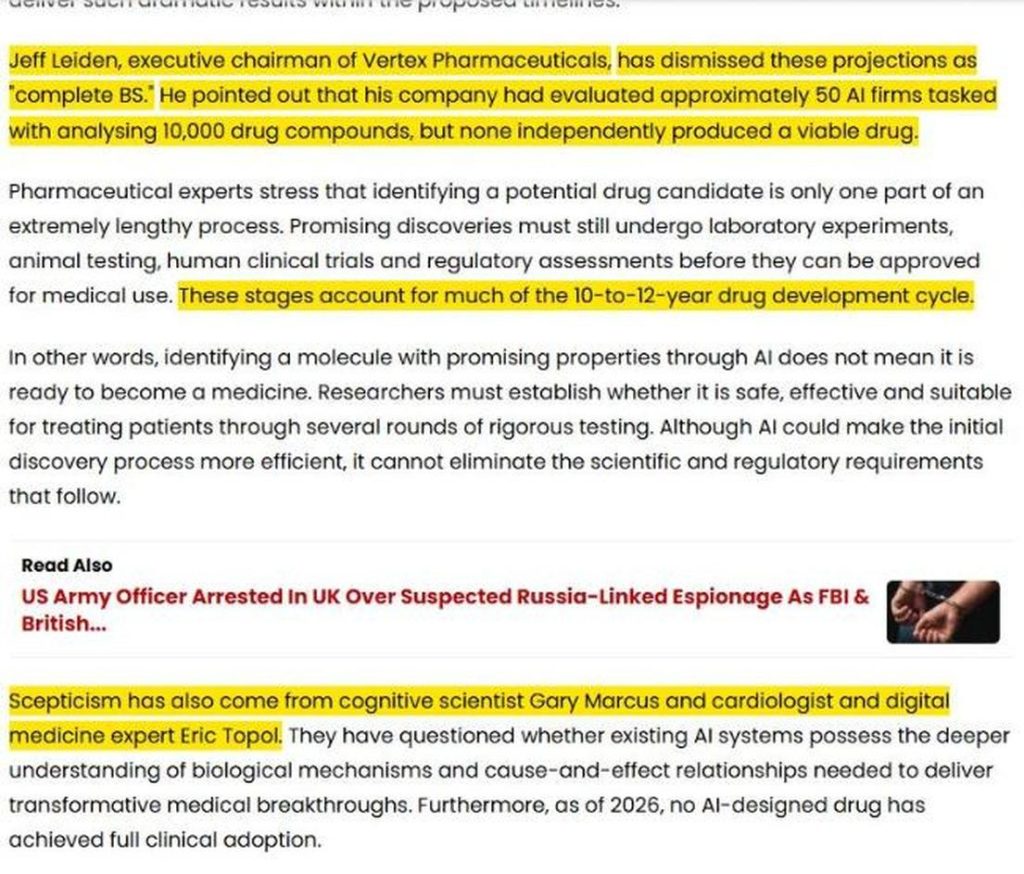
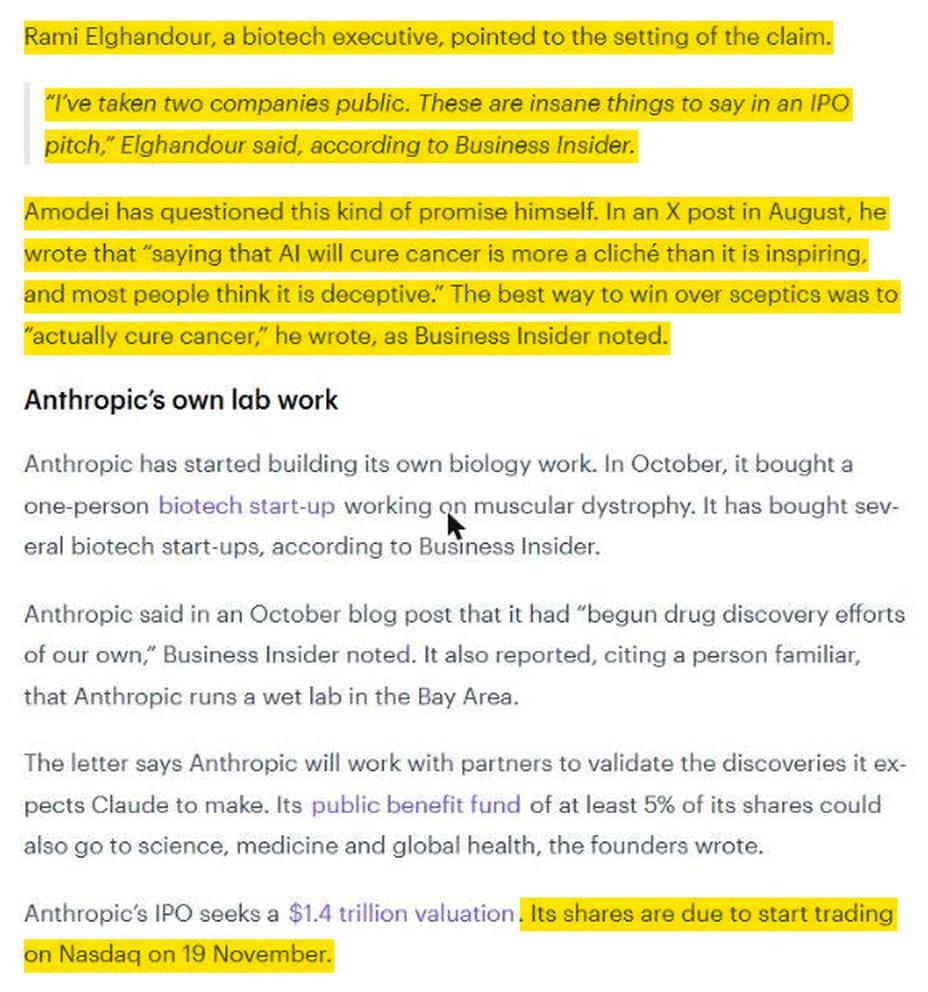
Karl Lauterbach, Germany's former health minister and a doctor, wrote on X on Nov. 11 that AI can help research on these diseases, but curing them within 10 years is impossible. He said the focus should be on prevention. Biotech executive Rami Elghandour called the claims "insane things to say in an IPO pitch." Melinda B. Chu, a doctor at Saint Louis University, said Anthropic has not shown it will add much to these goals.
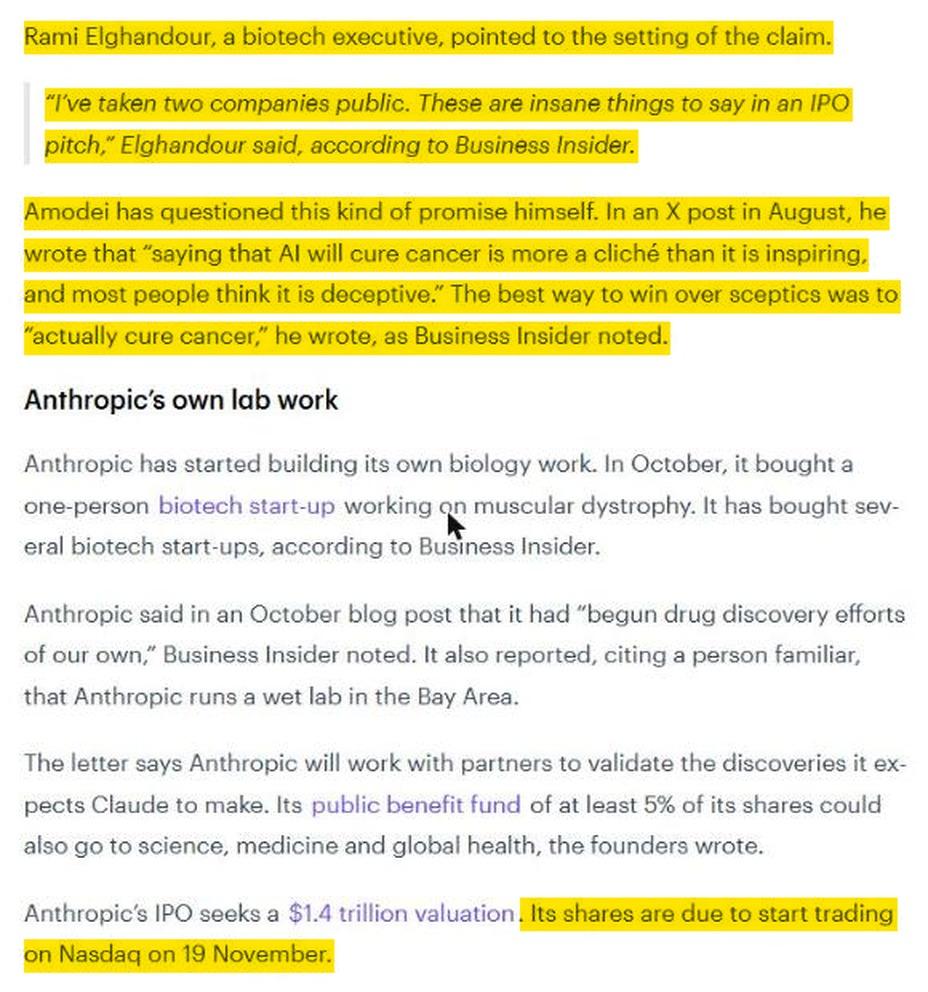
Jeff Leiden, executive chairman of Vertex Pharmaceuticals, dismissed such projections as "complete BS." He said Vertex had asked about 50 AI firms to analyze 10,000 drug compounds, and none produced a viable drug on its own. The report adds that these later stages make up much of a 10-to-12-year drug development cycle. Gary Marcus and Eric Topol have also questioned whether today's AI understands biology deeply enough.
Source: Free Press Journal report
Why Cancer Is So Hard to Beat
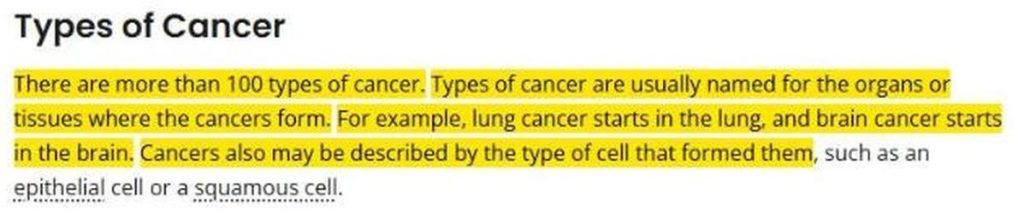
The National Cancer Institute says there are more than 100 types of cancer, usually named for the organs or tissues where they form. Lung cancer starts in the lung, and brain cancer starts in the brain. Cancers can also be grouped by the type of cell that formed them. NCI describes cancer as a disease in which some of the body's cells grow uncontrollably and spread to other parts of the body.
Source: National Cancer Institute

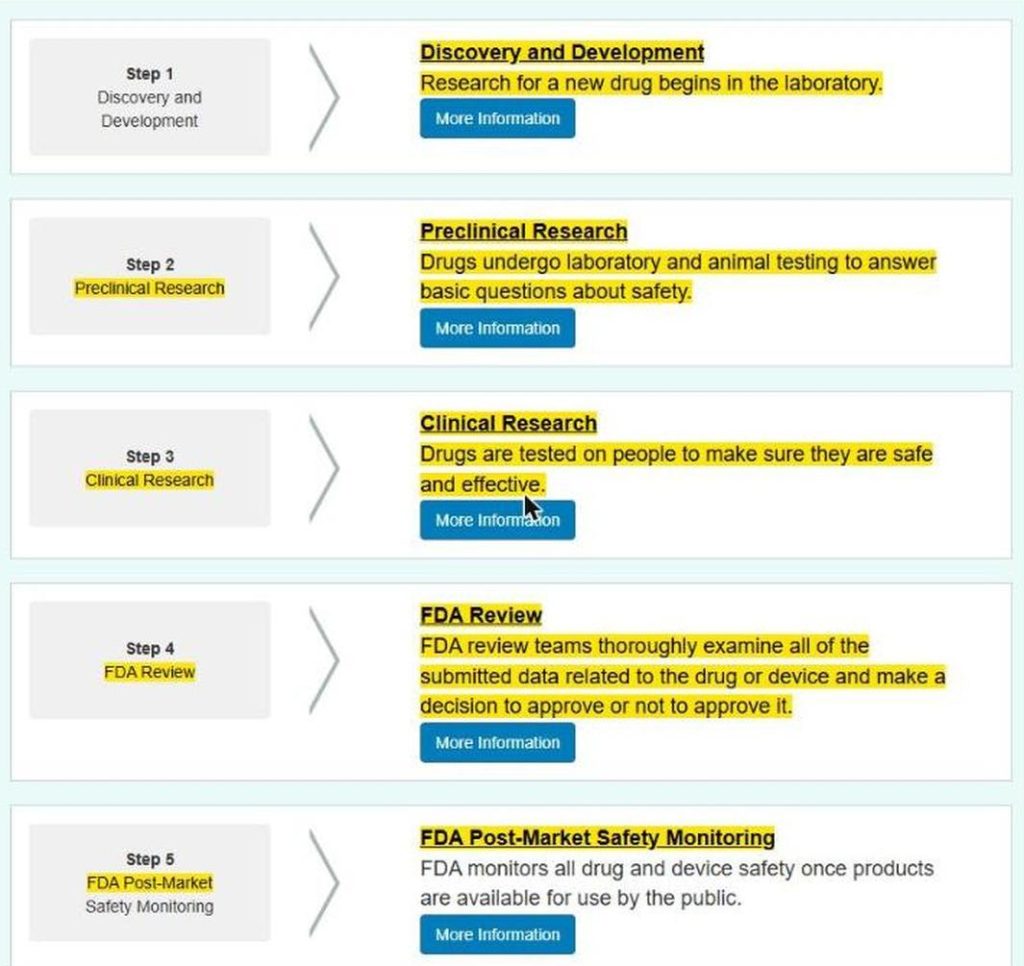
Any new drug must also pass the steps the FDA lays out. They are discovery, preclinical research with lab and animal testing, clinical research in people, FDA review, and safety monitoring after approval.
Source: U.S. Food and Drug Administration
Amodei Has Doubted Cure Promises Before
In an August post on X, Amodei wrote that saying AI will cure cancer has become more of a cliché than an inspiration, and that most people think it is deceptive. He added that the best way to win over skeptics is to actually cure cancer.
Source: The Next Web report
OUR VIEW: In August he called such promises a cliché. In November he put a date on one. That gap is notable.
What to Watch Next
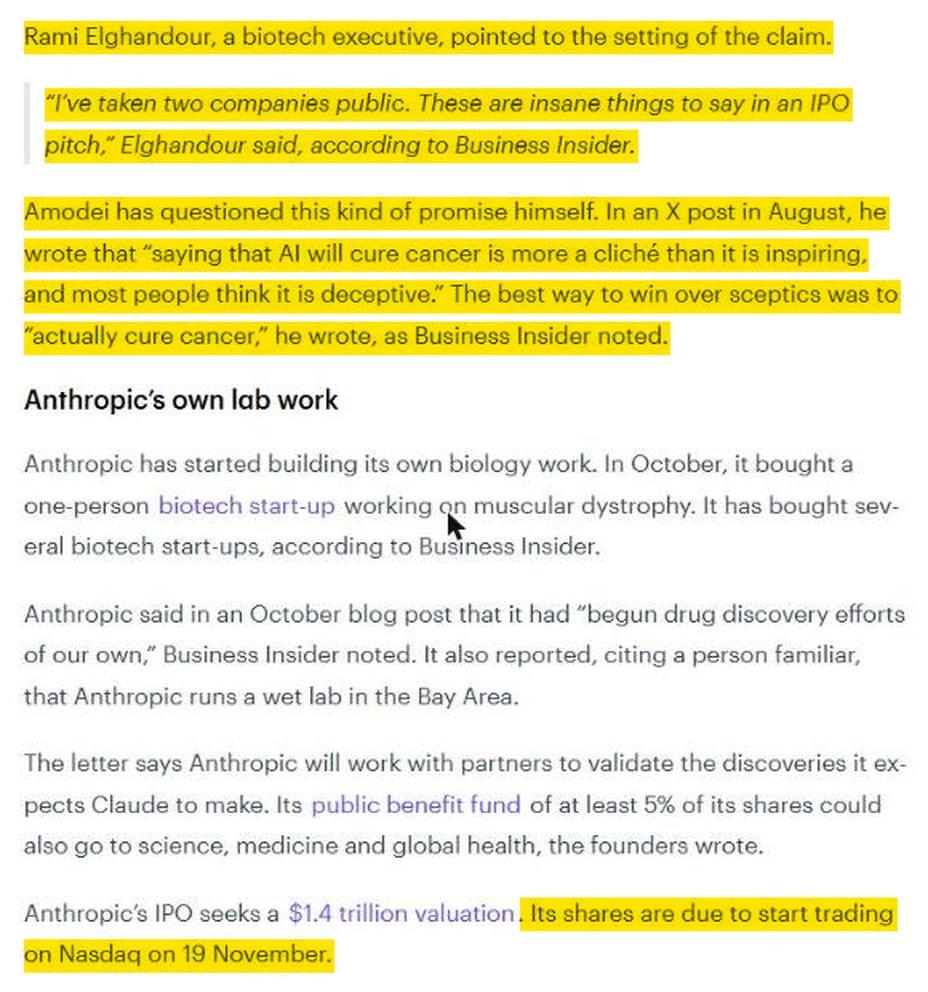
Anthropic's shares are due to start trading on the Nasdaq on Nov. 19, according to The Next Web. Anthropic's own announcement gives the price range but no trading date.
Source: The Next Web report
OUR VIEW: The real test is evidence, not slogans. Watch for lab results, trials and approved drugs that Anthropic or its partners can show. As of Nov. 14, we found no public reply from Anthropic to the criticism. Until then, treat the decade forecast as a goal, not a result.