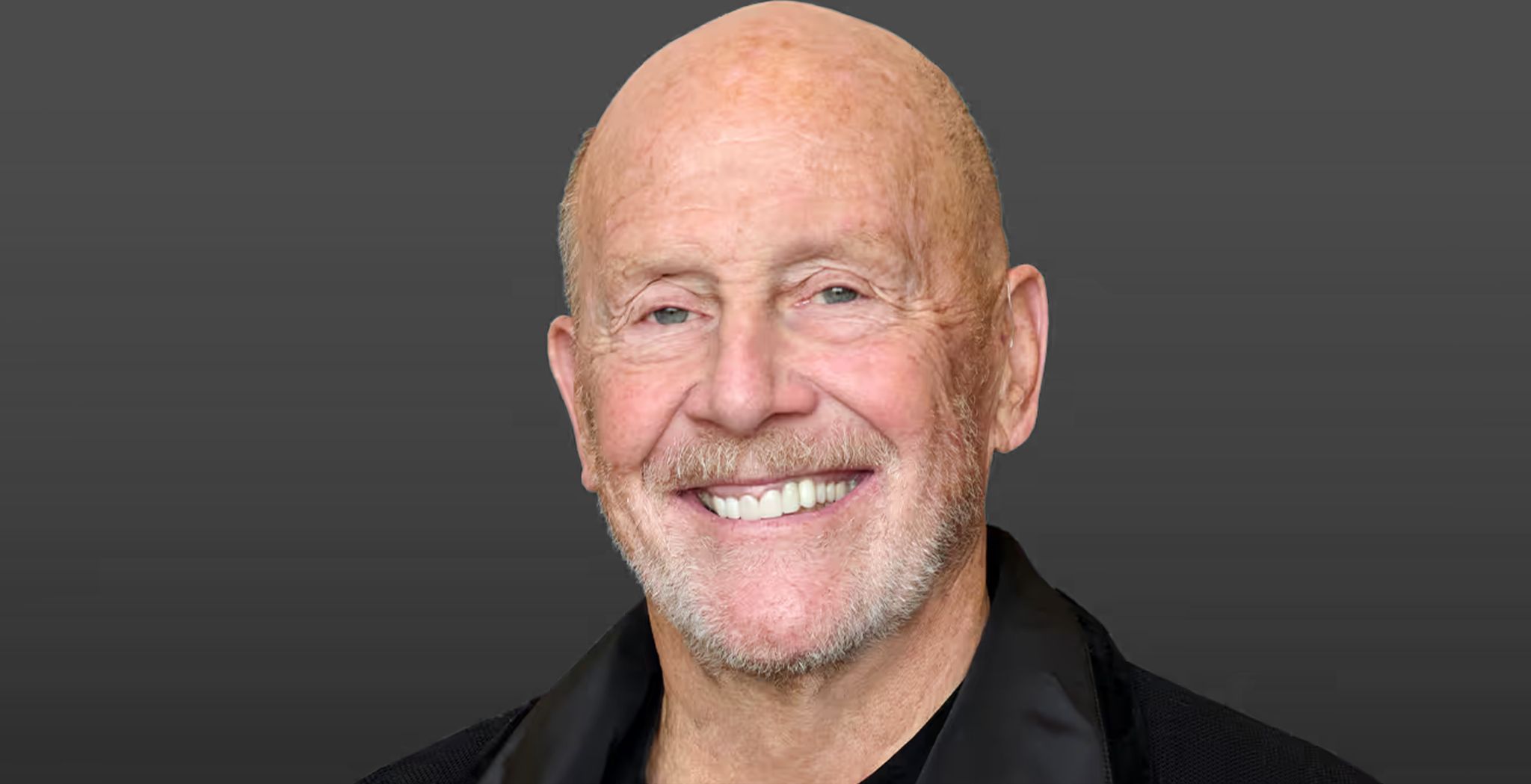
Brian Halligan Shares Lessons That Shaped HubSpot Leadership
Brian Halligan shares how lessons from the Grateful Dead shaped his leadership at HubSpot and his approach to building strong, user-first teams.


Brian Halligan was just 17 when he walked out to a Cape Cod road with a piece of wood marked “Saratoga Springs.” He wanted to reach a Grateful Dead show. He and Eric Olson, his friend from a small painting company, went from Massachusetts to the Adirondack foothills. They camped for two nights, listened to the band, and hitchhiked home.
That first show left a great mark on Brian Halligan’s life. It turned him from a curious teenager into a deeply committed Deadhead. It also gave him ideas that later guided his work as cofounder of HubSpot. The company eventually reached a peak valuation of about $38 billion. Brian Halligan carried lessons from that culture into his work as a Sequoia Capital partner and as a senior lecturer at MIT.
He recently released a new edition of Marketing Lessons From the Grateful Dead. The book links his teenage years with his scale-up years. It brings together a kid who hitchhiked to concerts and a CEO advising founders moving through fast growth.
Many may see that pairing as strange. Halligan does not. He believes the Dead behaved like great founders long before Silicon Valley formalized any playbook. Traditional frameworks, he said, are often flawed. “A lot of this is bullsh–t,” Halligan said.
The Dead as Early Builders
Brian Halligan has real experience to back that view. He and Dharmesh Shah scaled HubSpot from $250,000 to $15 million in three years during the 2008 financial crisis. He said the band’s willingness to experiment and respond to fans influenced how he built products.
He often points to the Dead’s taping culture. Numerous artists blocked recordings at the time. The Dead created special “taper sections.” Fans recorded multiple shows, picked the best version, and traded tapes on campuses.
“That’s how they spread the music,” Halligan said. “Not radio. Not PR. It was the customers doing the work.”
He considers that approach an early version of freemium. HubSpot offered free SEO tools and a free Twitter tracker to reach early users. Fans and customers did part of the outreach work on their own.
The Dead also used a mail-order ticketing system. Brian Halligan calls it “disintermediation before Amazon.” Fans sent handwritten index cards and postal money orders inside envelopes decorated with flowers, buses, or mushrooms. Scalpers could not interfere. People with the most creativity, not the most money, ended up closest to the stage.
Dead concerts encouraged participation from all. Fans wore homemade tie-dyes, wings, capes, and mushroom hats. Parking lots turned into marketplaces, music sessions, and giant gatherings. “Everyone was part of the show,” Halligan said.
Lessons for Founders and Teams
Brian Halligan sees a strong link between that culture and founders who stay obsessed with customers. Those founders avoid shortcuts related to rapid revenue. They choose longer paths that reflect user needs.
He also applies Deadhead lessons to hiring. The band mixed bluegrass, blues, jazz, and country. Brian Halligan calls that lineup “spiky.” It did not resemble a uniform group. “The most tempting thing is to hire people just like you,” he said. “But innovation comes from spiky teams, not uniform ones.”
Jerry Garcia as a Model Founder
Brian Halligan’s connection to the Dead only grew with time. He estimates he saw the band around 40 times while Jerry Garcia was alive. He attended hundreds of shows from later lineups as well. He bought Garcia’s custom guitar, Wolf, at an auction in 2018. He does not treat it as a museum piece. “I’m not really the owner, I’m the steward,” he said. He loans it to serious players. John Mayer has played it onstage.
Brian Halligan often thinks about Garcia. He sees him as the model of a great founder. Garcia avoided theatrics. He wore the same black T-shirt. “He didn’t care about being a rock star,” Halligan said. “He cared about the music.”
Garcia’s traits shape a framework Brian Halligan uses with students. He calls it FLOCK: first-principles, lovable, obsessed, courageous, knowledgeable. Garcia, he said, scored high on all of those traits. Garcia ignored conventions, practiced constantly, took creative risks like the Wall of Sound, and surrounded himself with talented people from different backgrounds.
“They grew out of this beat generation, the psychedelic generation, and they were the original San Francisco, Silicon Valley startup that went through generations and exists today,” he said.
The teenager who hitchhiked to hear a song grew into the CEO of tech’s most successful companies. Halligan still carries those lessons in his work. And he passes them down to all founders who aspire to build something worth lasting.