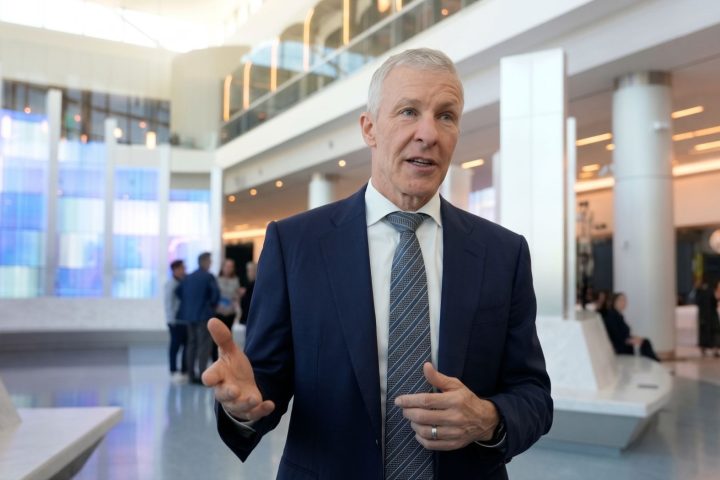
Coach Ex-CEO Lew Frankfort Shares His Grueling Hiring Method
Former Coach CEO Lew Frankfort reveals his grueling interview process, ranking EQ and 80 skills to avoid bad hires and find top talent.

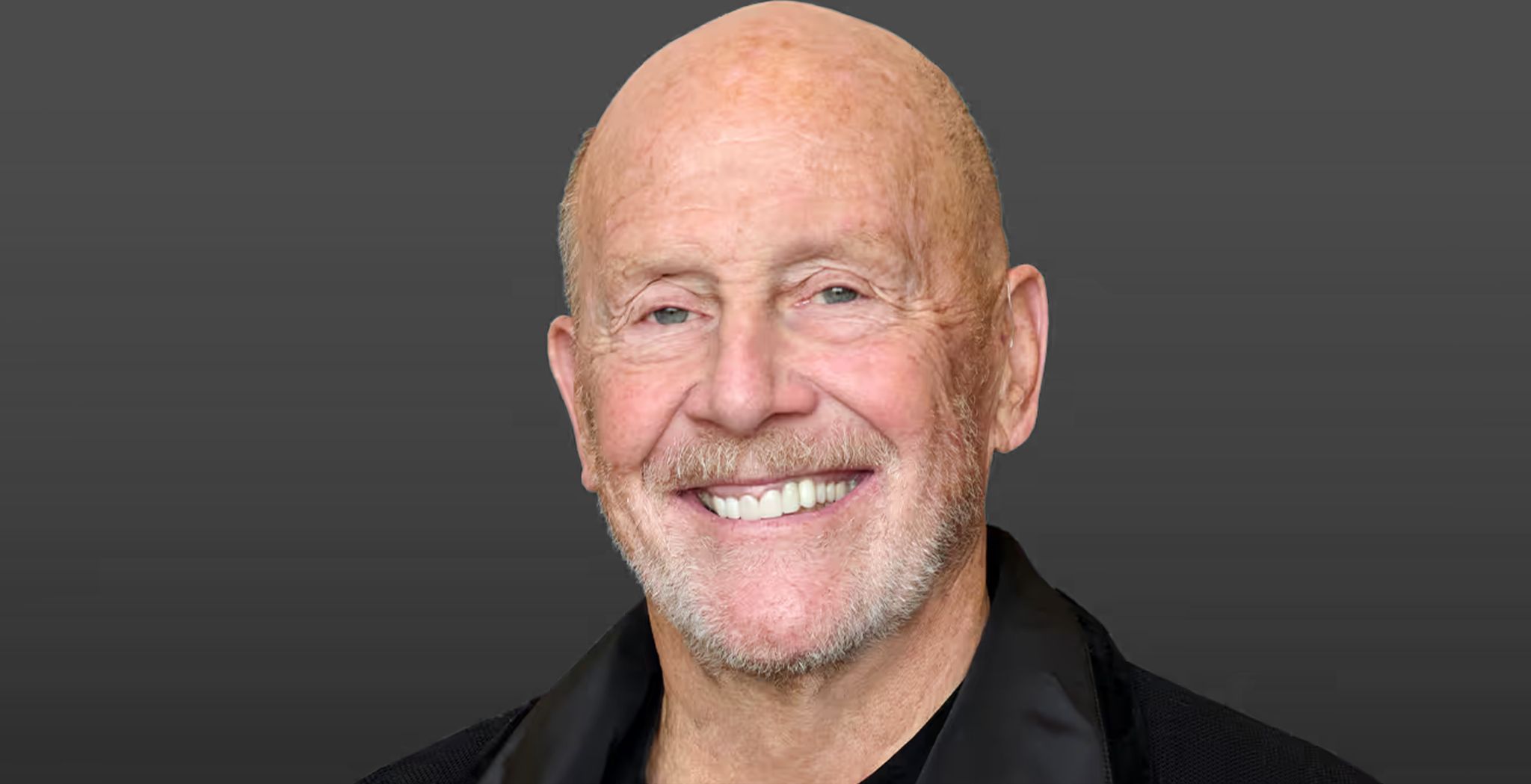
Hiring the right talent can make or break a company, and many executives attribute their success to having the best-in-class inner circle. Lew Frankfort, the former CEO of $5 billion fashion empire Coach, used to feel regret for bringing on the wrong people. What he learned inspired him to develop a three-part “immerse interviewing” strategy, complete with rating emotional quotient (EQ) and ranking 80 skills.
“To reduce the chances that I’d fail at the critical task of hiring the right people, and increase the chances that I’d succeed at hiring great people, I had been refining my interviewing technique,” Frankfort wrote for Harvard Business Review last month. “I wanted to be more interactive so I might have a complete view of a person.”
Decades at Coach Shaped the Process
Lew Frankfort spent nearly the entirety of his career at Coach, serving as CEO for 29 years out of his 46-year run at the aspirational brand. During those decades he perfected his hiring strategy and, with the best team beside him, scaled the business from reeling in just $6 million in annual revenue to a multibillion-dollar empire.
Lew Frankfort now brings that playbook to his role as chief executive of investment firm Benvolio Group, which works with consumer brands like Veronica Beard, Body Armor, and Bogg Bagg.
A Carefully Structured Interview
If a job candidate hopes to become one of his direct reports, they must go through a thorough and carefully structured process. From start to finish, Lew Frankfort personally meets each applicant, beginning with an initial interview focused on background and work experience.
The seasoned CEO asks questions ranging from where candidates grew up to what accomplishments make them most proud. After about 15 to 20 minutes, he transitions to the next stage of the interview.
Rating a Boss’s EQ
The next stage of the interview process is unorthodox. Candidates are instructed to name a current or recent boss and rate that person’s emotional intelligence on a scale of one to 10. Lew Frankfort said most applicants give their managers a seven, eight, or nine. If a lower number is offered, he inquires further.
Applicants then describe what that boss would say are strengths and growth opportunities.
“Many people don’t have the language or the inclination to describe themselves in full dimension, so this angle would help you express yourself more precisely,” he wrote. “It would also force a level of honesty, especially if you knew that your boss was a reference I might talk with.”
The 80-skill Self-assessment
The third part of his interview stage is a white paper self-assessment covering more than 80 unique skills. They are capabilities Lew Frankfort said he amassed over a lengthy career, including judgment, courage, curiosity, financial acumen, investigative skills, sense of style, street smarts, integrity, and self-motivation.
Candidates give themselves a ranking from one to 10 for each ability. Once complete, Lew Frankfort reviews patterns and begins by asking about strengths that surfaced during conversation.
“Individually and collectively, your rankings would offer insight, telling me where to lean in for more information and clarity,” he explained. “I was looking for clusters of similarly rated competencies, for outliers that might suggest a concern, and for dichotomies that reveal where I needed to probe to get to a deeper truth.”
If a candidate rated themselves low on one skill, Lew Frankfort would enquire how that capability could be improved on the job or offset by other staff. Overall, he said he was looking for red flags, deal breakers, and caution areas signaling poor fit. Frankfort admitted being partial to charismatic and confident candidates, but the structure helps counter personal bias while assessing self-awareness and growth potential.
A Broader Executive Trend
Personality assessments have become common across corporate leadership. About 80% of Fortune 500 companies use such tools to evaluate senior hires, according to a 2022 study from Ladders.
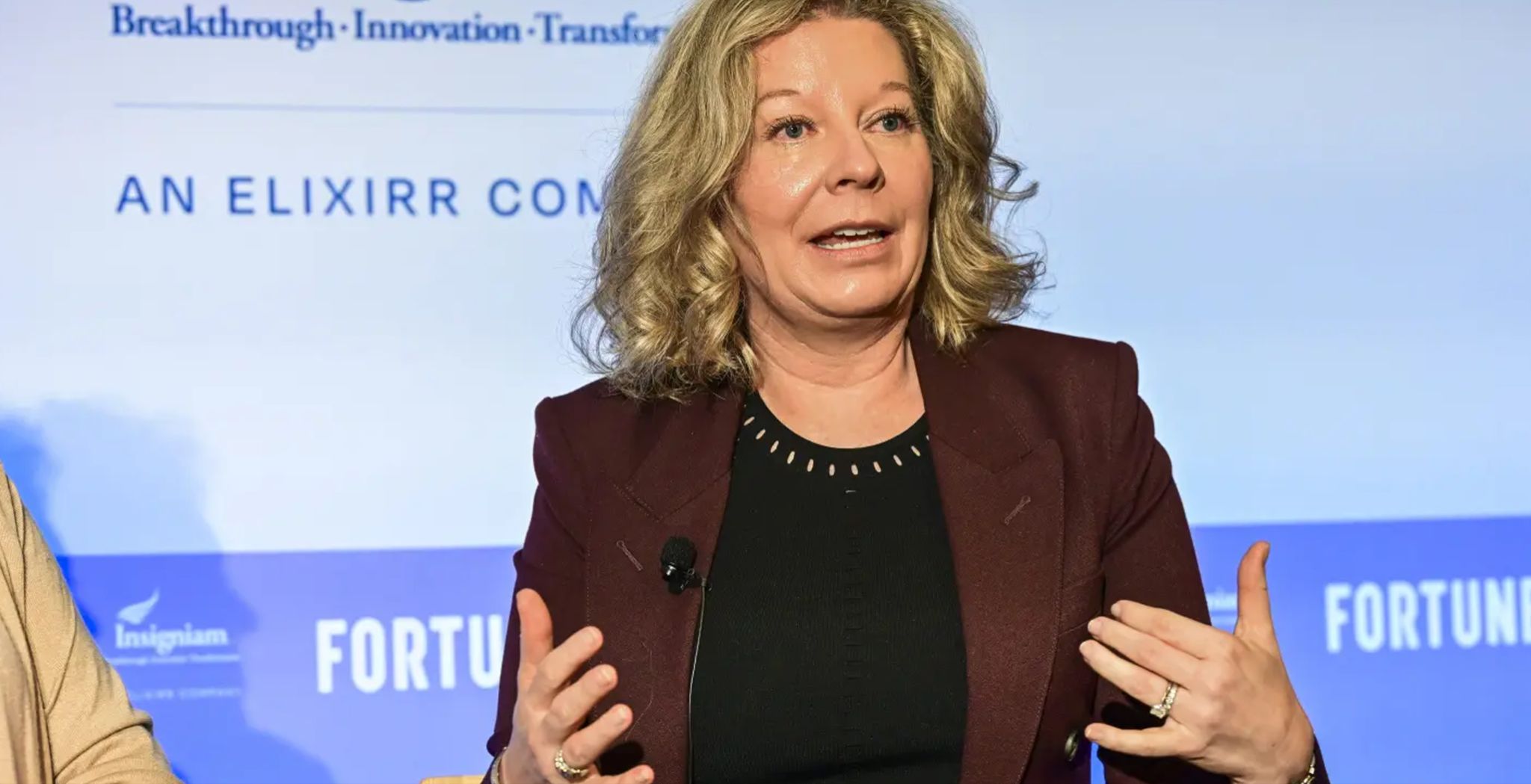
Julia Hartz, CEO of $225 million ticketing company Eventbrite, uses the Hogan method to assess leadership style and reactions to shifting landscapes.
“I’m actually able to draw a thorough line between my Hogan test to a candidate’s Hogan, and using AI can assess the places where it’s going to cause friction, and where are we not going to show up great together?” Hartz told Fortune earlier this year.
Loren Castle, CEO of Sweet Loren’s, deploys the CliftonStrengths quiz, a 30-minute assessment developed by Gallup that analyzes skills, thinking patterns, feelings, and behaviors. “It’s hard to hire the right team,” Castle said. “We’re really mindful now when we’re building out teams.”
As Lew Frankfort explains, the goal isn’t perfection, it’s clarity.
“My immersive interviewing framework routineized my natural curiosity about people and helped me avoid the trap of making assumptions about skills and overlooking major weaknesses,” he said.