New York Startup Behind Neurofit App Leverages AI for Growth
New York City-based startup Neurofit App uses AI and somatic exercises to help users manage chronic stress and improve mental well-being.


Stress affects everyone. Work or family-related pressures, an unexpected health scare, or a sudden life change like a big move can trigger it. But chronic stress behaves differently. It accumulates over time and can potentially affect physical health. Many mindfulness apps are effective at addressing acute stress but may not be as helpful for chronic stress. Neurofit App, a mental wellness tool that focuses on movement, is trying to close this gap.
Combining Neuroscience and Somatic Exercises
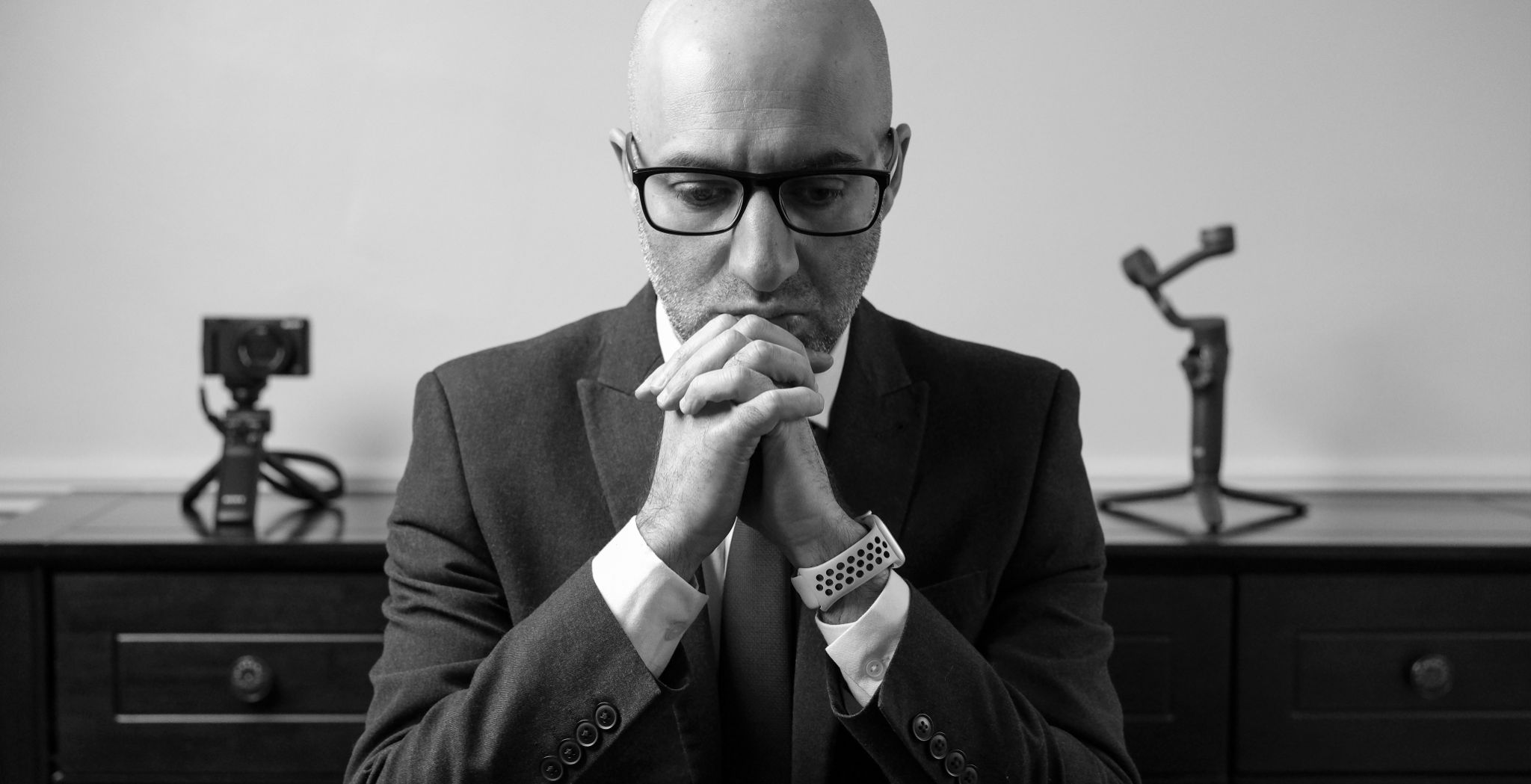
The Neurofit App was developed by husband-and-wife team Andrew and Loren Hogue. Andrew Hogue, a serial entrepreneur with a background in software engineering, cofounded Neurofit in 2020 during the height of the COVID-19 pandemic when rates of anxiety and depression soared. Five years later, many people are still recovering from that collective trauma.
Loren Hogue, a former lawyer who trained to become a master somatic coach, learned that chronic stress affects physical health just as much as mental health. Neurofit App uses neuroscience- and evidence-based methods to address chronic stress and burnout, anchoring its program on somatic movements and mindfulness activities proven to reduce stress. Somatics is a field of movement studies and bodywork that focuses on the body’s physical perceptions and experiences, emphasizing conscious movements that increase the mind-body connection.
The Neurofit App has a daily check-in function where users assess how they feel about different parts of their lives, including career and family, and securely collects this data to understand each user’s “stress fingerprint,” Andrew Hogue said. The app compiles biometric data, such as heart rate and nervous system recovery, and combines this with information about each user’s stress profile and physiology to provide personalized guidance and insights. It analyzes a user’s unique stress patterns over time and tailors exercises and coaching to the individual’s needs.
AI as a Growth Engine
With just a three-person team, Neurofit App relies on AI to deliver its program and engage users. The small business uses AI in three key ways: mental health coaching, app coding and development, and language translation.
Andrew Hogue used AI to develop an app specifically for Apple Watches, something he had never done despite his experience as a software engineer. He said AI reduced the learning curve, guiding him through the coding process to develop an Apple Watch app in just a few days to complement Neurofit’s existing iOS app.
The company also uses GPT-4o from OpenAI to translate mental health and wellness articles in the app’s content library into more than 40 different languages. The technology allows Neurofit to translate content faster and more affordably than using human translators, saving the company $1,500 to $2,000 for each language, Andrew said.
Loren Hogue said AI also helps the Neurofit App increase accessibility and equity. “By driving down the cost of care, AI-driven tools are poised to serve far more diverse populations from anywhere, not just tech-savvy or privileged groups,” she said.
Challenges and Lessons
Adopting AI in the Neurofit App hasn’t been without challenges. The technology initially produced subpar language translations, but they improved over time with better data inputs. It experienced a similar problem with its content library, as ChatGPT 3.0 initially delivered lower-quality results as the team added more internal links, visuals, and graphics to its content pages. Andrew Hogue said these issues have been resolved over time.
The Hogues said it is critical for small businesses new to AI to start with small test cases, look for repetitive tasks to easily automate, and use the technology to augment, rather than replace, human empathy and connection. Loren Hogue added that ethical and privacy safeguards are nonnegotiable, especially in healthcare. “Robust data protection needs to be built into every step, starting at the design phase, so users feel safe sharing biometric information,” she said.
A Vision for the Future
The founders of the Neurofit App believe AI has the potential to positively impact mental health care. “We believe AI can transform mental health care into a more proactive, holistic, preventive, and personalized domain,” Loren Hogue said, “one that supports not only immediate mental and emotional well-being, but also long-term physiological resilience and longevity.”
As chronic stress continues to affect people across work and family environments, the Neurofit App reflects a new approach: combining neuroscience, movement, and AI to make mental wellness more personalized, accessible, and sustainable.