OpenAI Acquires AI Travel Startup Odessia, Bringing Founder of $600M Sonder Business Onboard
A founder lost a $600 million company, started over almost alone, and sold his new one to OpenAI five months later. This is that story.

A founder lost a $600 million company, started over almost alone, and sold his new one to OpenAI five months later. This is that story.
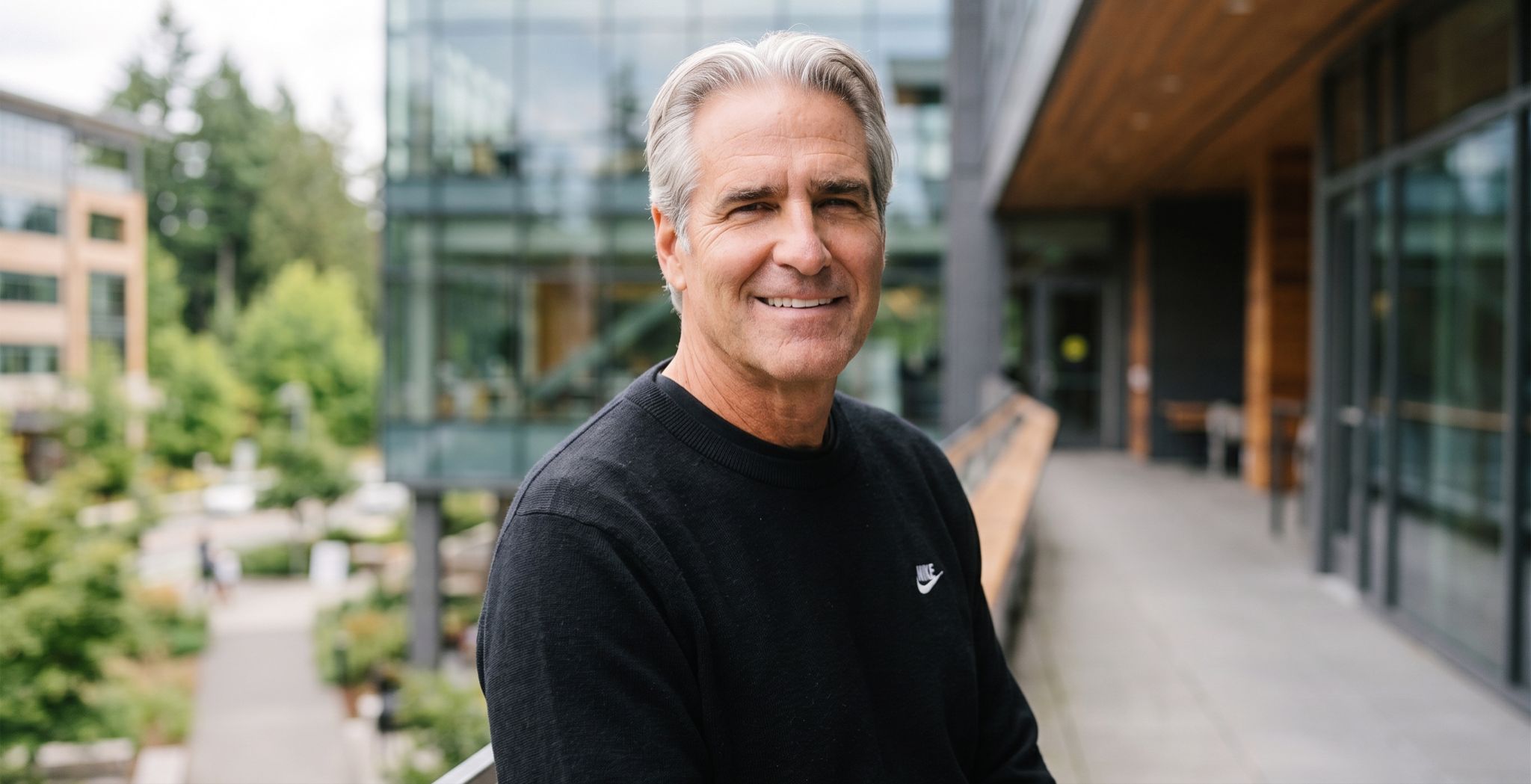
OpenAI has bought Odessia, a tiny startup that built an AI travel agent that can plan and book a whole trip through a simple chat. The deal, announced on November 10, 2026, also brings its founder, Francis Davidson, into OpenAI to work on the future of travel.
At first glance, it is just another AI acquisition. Look closer, and it is one of the most interesting founder stories of the year. Davidson once built a $600 million business, watched it fall into bankruptcy, then came back and built his new company in a way almost no one has tried, with artificial intelligence doing most of the work.
Here is what OpenAI actually bought, how a nearly one-person company pulled this off, and what any founder can learn from it.
The Deal That Rattled Travel
If you only read one part, read this. Here are the key facts of the deal.
| Detail | Figure |
| Buyer | OpenAI, the company behind ChatGPT |
| Bought | Odessia, an AI travel-agent startup |
| Founder joining | Francis Davidson, who also founded Sonder |
| Announced | November 10, 2026 |
| Price | Undisclosed |
| Odessia's age | Founded in late 2025, less than a year old |
| Funding it raised | A $6 million early round led by Sequoia Capital |
| What it did | Planned and booked over $60 million of travel in one summer |
| Team size | very small team |
| Status now | The Odessia product was shut down on the day of the deal |
A quick note on one term you will see. This looks like what the industry calls an "acqui-hire," a deal where a big company buys a small one mainly to get its people and its founder, not its product or its sales. That detail shapes the whole story, as the next section explains.
OpenAI Bought a Team, Not a Product
Here is the twist that most coverage skips. OpenAI shut Odessia down the same day it bought it. If the product is gone, what did OpenAI actually pay for?
The answer is the people. This was an acqui-hire, which means OpenAI wanted the founder and the small team far more than the app itself. In its own words, OpenAI called Davidson a proven founder who has built more than one business to help people travel. That is what it was buying, a group that had just built a working AI travel agent from scratch, fast, plus a leader who ran a travel company for a decade.
It also fits a clear pattern. OpenAI is racing to turn its AI into agents that do real tasks for people, and travel is one of the hardest and most useful of those tasks. Rather than build that expertise slowly in-house, it bought a team that had already done it. OpenAI has not said exactly how it will use the technology, only that Davidson will help shape what travel looks like next.
A Startup Run Almost Entirely by AI
This is the part that should make every founder sit up. Davidson did not build Odessia with a big team. He built it as a near-solo founder and handed much of the actual work to AI.
By his own account, AI agents ran across almost every function of the business, from strategy and partnerships to design, marketing, customer support, legal work, and finance. The human team was tiny, around nine people. The software did the heavy lifting that normally needs whole departments.
And it worked. In roughly five months, this lean setup launched a real product, became an accredited travel booking agent, and planned over $60 million of trips for tens of thousands of users in a single summer. For comparison, his last company needed more than a thousand people and ten years to grow.
That contrast is the whole point. Odessia is an early, real-world example of a new kind of company, one where a single founder plus smart AI can do what used to take a small army. Whether or not every startup can copy it, Davidson showed it is possible, and OpenAI clearly noticed.
From a $600 Million Empire to Bankruptcy and Back
To understand why this deal matters, you have to know where Davidson has been. This is not his first travel company. It is his big comeback.
Back in 2014, while still a college student, Davidson co-founded Sonder, a company that rented out stylish apartments and hotel rooms like a tech-powered hotel chain. It grew into a real force. At its peak it reached about $600 million in yearly revenue, employed more than a thousand people, and went public on the stock market.
Then it unraveled. A major partnership with the hotel giant Marriott fell apart, the finances buckled, and in late 2025 Sonder filed for bankruptcy and wound down. For most founders, that is where the story ends.
Davidson did the opposite. Almost immediately, he started again, raised money from the respected venture firm Sequoia, and built Odessia on his own terms. Within a year, the founder who had just watched a $600 million company collapse had sold his new one to the most talked-about company in technology. That arc, from a decade-long rise, to a hard fall, to a fast second act, is what makes this more than a routine acquisition.
Why Travel Stocks Took a Hit
The deal was small, but the reaction was not. On the day of the news, shares of the big online travel companies fell. Investors were spooked, and the reason is worth understanding.
Today, most people book trips through online travel agencies like Booking.com, Expedia and Kayak. You search, you compare, you click through to book. An AI travel agent threatens to skip all of that. Instead of sending you to a dozen websites, it simply plans and books the whole trip for you in one conversation. If that becomes the normal way to travel, the companies that depend on you visiting their sites have a serious problem.
There is an irony here. OpenAI already partners with several of those same travel companies, and it has not announced any product that competes with them. So the stock drop was not about what OpenAI did on Tuesday. It was about what this deal hints at, that the company holding the most powerful AI now also has the talent to reshape how the world books travel.
Lessons Founders Can Steal From This
This story is packed with takeaways for anyone building a company. A few stand out.
- AI can replace a whole org chart. Davidson ran most of a company with AI instead of headcount. You may not go that far, but the lesson holds. Before you hire for a task, ask whether AI can already do most of it.
- A great team can be the whole exit. OpenAI paid for people, not profit. If you build a small team that ships something hard and fast, that talent alone can be worth acquiring.
- Speed is a superpower. Odessia went from idea to a real, bookable product in about five months. Moving fast does not just win customers; it gets you noticed by the biggest players.
- One failure does not define you. Davidson lost a $600 million company and started again within months. The founders who last are the ones who treat a collapse as a chapter, not the end.
The common thread is a new reality. With AI, a small, fast, resilient founder can now do what once took a huge company, and the biggest tech firms are paying close attention to the people who prove it.
The Bottom Line
OpenAI buying a small travel startup is not really a story about travel. It is a story about what one determined founder, armed with AI, can now build, and about how quickly the giants will move to scoop up that talent.
Francis Davidson lost a $600 million company, started over almost alone, built a working AI travel agent in months, and sold it to OpenAI inside a year. Whatever OpenAI does with it next, the signal is already clear. The future of building companies will be smaller, faster and far more AI-driven than most of us expected, and the founders who understand that early will have the edge.