Nuclear Power Startup Aalo to Open ‘State-of-the-Art’ Factory in Georgetown
A Texas startup wants to build nuclear reactors the way Ford built cars, on a factory line, and it just picked the town where it will do it.

A Texas startup wants to build nuclear reactors the way Ford built cars, on a factory line, and it just picked the town where it will do it.
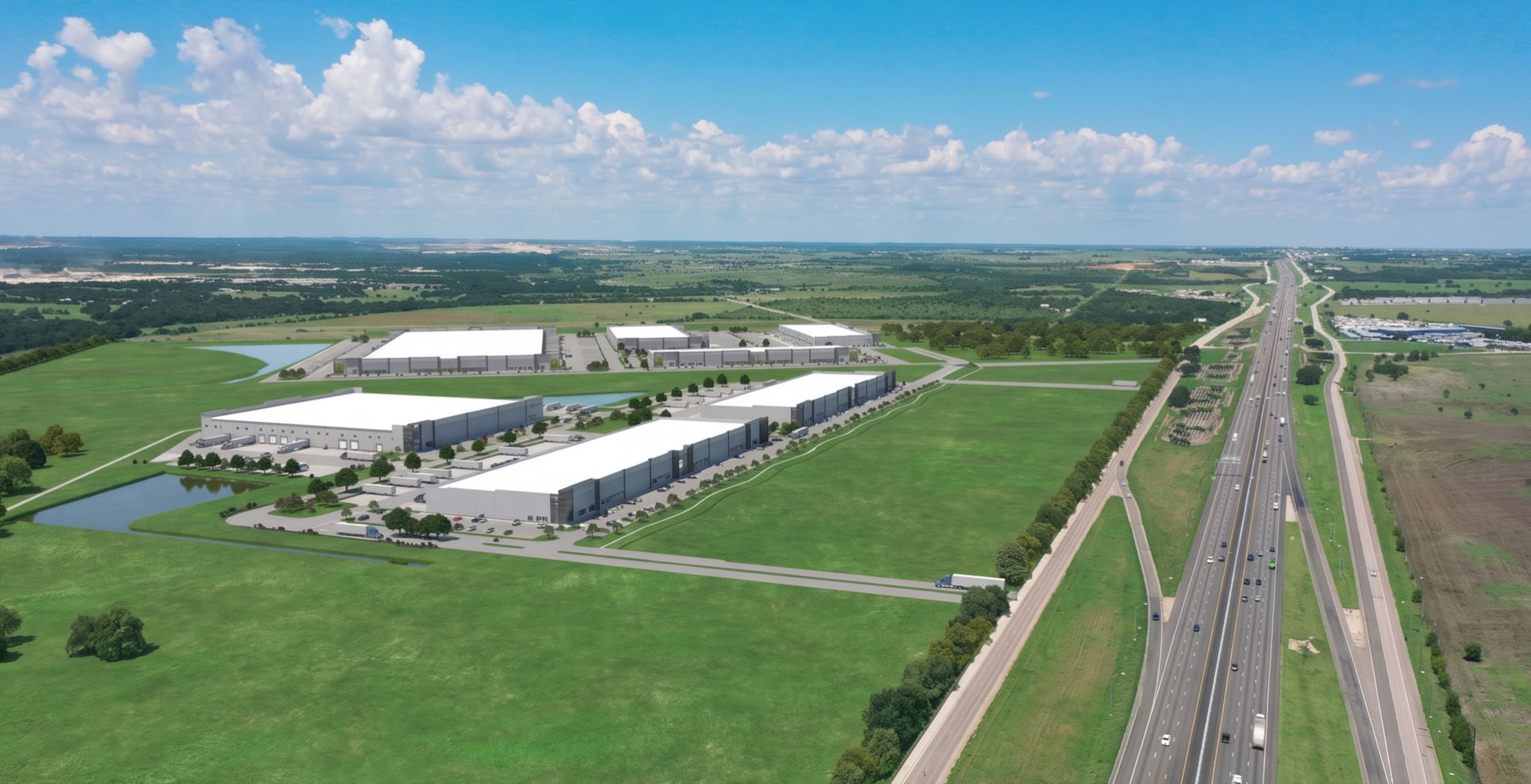
Aalo Atomics, a nuclear startup based in Austin, is spending about $25 million to open a large new factory in Georgetown, Texas. The plan is to turn a 200,000-square-foot warehouse off Interstate 35 into a lab, a machine shop and a production floor, with work starting in late 2026 and finishing by early 2028.
On the surface, it reads like a routine local business story. It is not. This factory is where Aalo plans to mass-produce small nuclear reactors, and the reason it needs so many of them is the single hungriest customer in technology right now: the AI data center.
Here is what Aalo is actually building, why nuclear power is suddenly back in fashion, and what any founder can learn from how fast this company is moving.
The Georgetown Plan in Brief
If you only read one part, read this. Here are the key facts of the Georgetown plan.
| Detail | Figure |
| Company | Aalo Atomics, a nuclear engineering startup based in Austin, Texas |
| Project | A new advanced manufacturing factory in Georgetown, Texas |
| Investment | About $25 million |
| Size | A warehouse of more than 200,000 square feet, off Interstate 35 |
| What goes inside | A lab, a machine shop and a production floor |
| Timeline | Work starting in late 2026, finishing by early 2028 |
| What it makes | Small, factory-built nuclear reactors to power AI data centers |
| Founded | 2023, by Matt Loszak and Yasir Arafat |
| Total funding raised | More than $300 million |
A quick plain-language note, since nuclear is full of jargon. A "reactor" is the machine that produces nuclear energy by splitting atoms, which makes heat, which makes electricity, without burning fossil fuels. Aalo's whole idea is to build these machines in a factory and ship them out, rather than building each one slowly on site.
A Smarter Way to Build Nuclear Power
The big idea behind Aalo is simple to say and hard to do. It wants to turn a nuclear reactor into a product you manufacture, not a project you construct.
A traditional nuclear plant is enormous and can take a decade to build, one slow custom job at a time. Aalo flips that. It builds small reactors on a factory line, the way a carmaker builds cars, then ships them to wherever the power is needed and assembles them quickly on site. The company's own line is that it wants to do for reactors what Henry Ford did for cars. That is exactly why the Georgetown factory matters so much. The factory is the product.
Aalo calls its design an XMR, short for "extra modular reactor," and its flagship unit is a 50-megawatt plant it calls the Aalo Pod that can be stacked to produce more power as demand grows. The reactors are cooled by liquid sodium instead of water, which the company says lets them pull heat out faster and pack more power into a smaller space. If that sounds technical, the takeaway is plain. Aalo is betting that small, repeatable and fast beats big, custom and slow.
Why AI Is Fueling Nuclear's Comeback
To understand the factory, you have to understand the customer. Artificial intelligence runs on data centers, and data centers are staggeringly hungry for electricity. Training and running AI models need power around the clock, and the big tech companies are struggling to find enough of it.
That is the opening Aalo is chasing. Nuclear power has two things those companies want. It runs all day and night, unlike wind and solar, and it produces no carbon while doing it. A reactor that can sit right next to a data center and feed it steady, clean power solves a very expensive problem.
Aalo is not alone in spotting this. The whole industry has swung back toward nuclear, and some of the largest tech names have signed deals for future nuclear and advanced energy. What makes Aalo stand out is the delivery model. Instead of one giant plant that takes years, it is promising many small ones, built fast and placed exactly where the demand is. The Georgetown factory is how it plans to produce them at the pace the AI boom is demanding.
Why Aalo Is Hard to Bet Against
A startup promising mass-produced nuclear reactors is easy to doubt. What makes Aalo worth taking seriously is how much it has already done in a short time.
The money is real. Since 2023, Since 2023, Aalo has raised more than $300 million, including a $100 million round in 2025 led by the investment firm Valor Equity Partners
The government has also put its weight behind the effort. Aalo was chosen as one of the companies in the U.S. Department of Energy's Nuclear Reactor Pilot Program, a federal effort to speed up testing of new reactor designs. And the hardest milestone of all appears to be met. A nuclear reaction becomes self-sustaining at a point scientists call "criticality," which is the moment a reactor truly comes alive. Aalo reached that milestone with a test reactor on July 4, 2026, at a national laboratory site in Idaho.
Money, a federal green light, and a working reaction are the three things that turn a bold promise into a credible plan. With those in hand, the Georgetown factory is the logical next step, the place where the proven design gets built at scale.
A Big Win for Georgetown and Texas
For Georgetown, this is a notable win. Rather than building from scratch, Aalo is taking an existing warehouse off Interstate 35 and converting it into high-end manufacturing space, with a lab, a machine shop, and a production floor. Reusing a large building like this tends to bring work and skilled jobs without the long wait of new construction.
The hiring tells its own story. As it has grown, Aalo has been roughly doubling its team, and a 200,000-square-foot production site needs engineers, technicians and factory staff to run it. For the local area, that means a fresh pool of advanced manufacturing jobs tied to a fast-growing industry.
The choice of Texas is not a coincidence either. The state has leaned into both energy and technology, and Austin has become a magnet for hardware startups. Aalo keeping its manufacturing close to its Austin base, in a business-friendly state with land and power to spare, fits a wider pattern of advanced industry settling in central Texas.
Lessons Founders Can Steal From Aalo
You do not have to be building reactors to learn from how Aalo operates. A few lessons stand out.
- Turn a project into a product. Aalo's core insight is to make something custom and slow into something repeatable and fast. If your industry still does everything one painful job at a time, that is often the biggest opportunity hiding in plain sight.
- Ride a wave bigger than you. Aalo is small, but it is riding the enormous demand for AI power. Tying your company to a force far larger than itself can pull you forward faster than you could move alone.
- Speed is a strategy. Aalo has raised money, won government backing and reached a working reaction in just a few years. Moving fast builds momentum, and momentum attracts money, partners and attention.
- Build with partners, not alone. Rather than making everything itself, Aalo leaned on established players for fuel, parts and software. Borrowing proven strengths lets a young company punch far above its size.
The thread running through all of it is simple. Pick a hard, valuable problem, find a faster way to solve it, and move before anyone else is ready to.
The Bottom Line
Aalo's Georgetown factory is far more than a local real estate story. It is the place where a young company plans to mass-produce nuclear reactors for the AI age, backed by real money, a federal green light and a working reaction already on the board.
Whether Aalo can actually deliver reactors at the pace and price it promises is still an open question, and building nuclear power at scale is genuinely hard. But the direction is clear, and the factory is the proof that the company means to try. For founders, the lesson is the one Aalo keeps repeating with its actions. Find a slow, important problem, make it fast, and move before the rest of the world catches up.