
How Duolingo and Designer Megan O’Cain Delivered Fashion’s Smartest Crossover
Duolingo has turned fashion's most mispronounced names into clothes. The language app teamed up with designer Megan O'Cain on The Phonetic Collection, a…

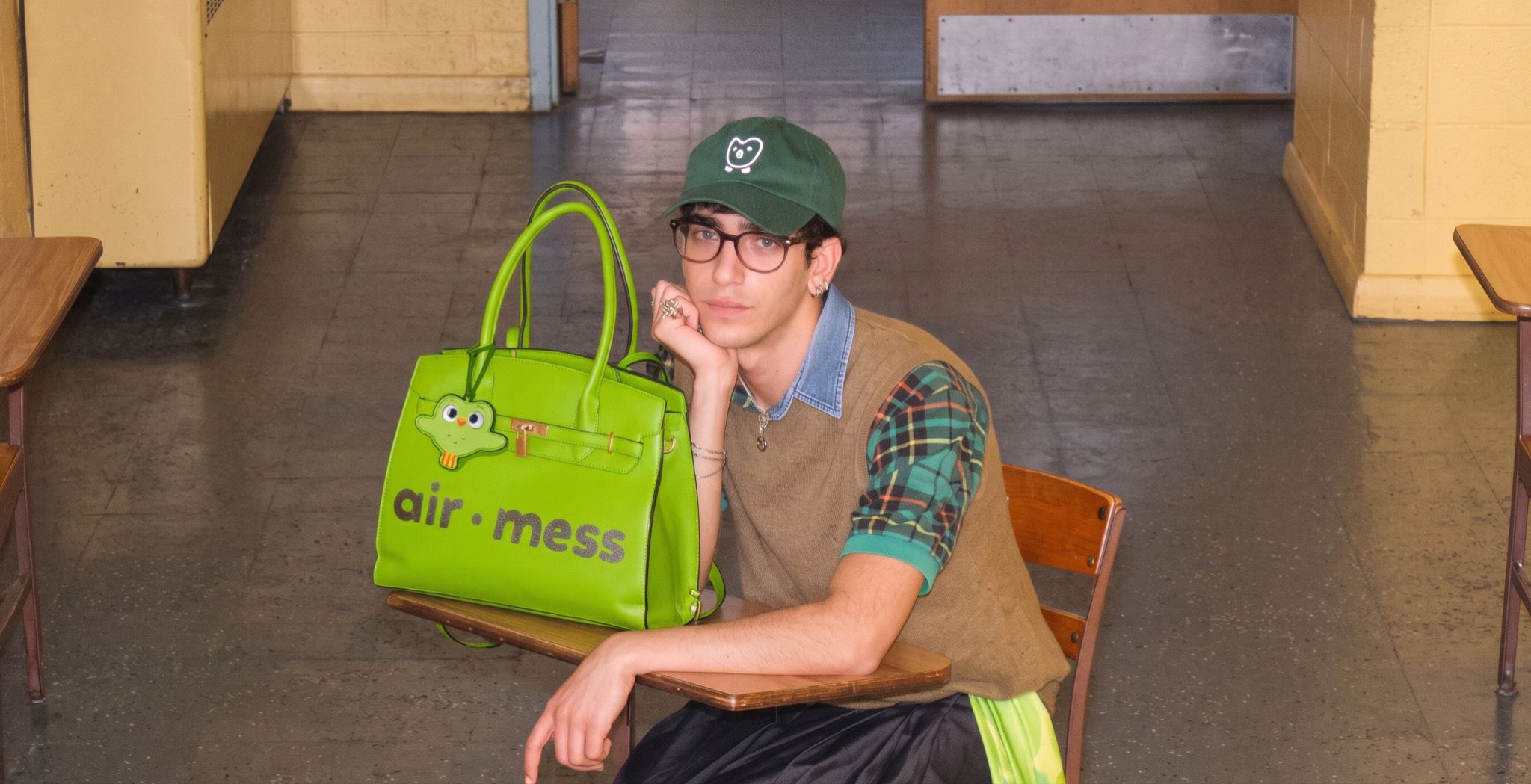
Duolingo has turned fashion's most mispronounced names into clothes. The language app teamed up with designer Megan O'Cain on The Phonetic Collection, a capsule shown during New York Fashion Week in September. The Source said on Nov. 9 that the move might be Duolingo's most brilliant yet. This article checks what the collection is, who made it, what the survey behind it says, and how fans could get the clothes.
What The Phonetic Collection Is
Duolingo's own video page calls the collection a playful lesson in how to engage with fashion. It says O'Cain designed the pieces, which use phonetic spellings of designers' names, exaggerated proportions and Duolingo humor. The page adds that classic tailoring, sportswear and accessories meet playful typography, a mostly monochrome palette and O'Cain's curved silhouettes. Duolingo posted the video on Sept. 9, 2026, and it showed 103,066 views on Nov. 14. Yanko Design adds that O'Cain built the lettering with embroidery, distressing, 3D printing and puff paint, and that the video shows a full seven-piece capsule.
Who Megan O'Cain Is
Netflix's profile from the second season of Next in Fashion calls O'Cain a Brooklyn-based creator and Parsons School of Design graduate. As a child, she took clothes apart and tried her grandmother's 1960s patterns. Netflix says her designs blend childhood nostalgia with 1960s sewing techniques to create exaggerated womenswear silhouettes, with humor and fun ahead of sophistication. Her signature Honey Bunny Dress pairs traditional elements with an oversized bunny and turns into a bag. The Source describes her as an emerging designer known for playful 1960s-inspired silhouettes, vibrant textiles and tactile storytelling.
What the Pieces Say
Yanko Design describes a lime-green purse that spells out air-mess for Hermès and a jacket that reads zhee-vahn-shee for Givenchy. A mustard-yellow piece teaches Jacquemus, and other looks cover Moschino, Loewe and Comme des Garçons. The Source lists its own cheat sheet for Hermès, Givenchy, Jacquemus and Loewe. Spellings differ a little between outlets. The Source writes Hermès as air-MEZZ, while Yanko Design writes air-MESS.
Why Duolingo Picked Pronunciation
Hypebae reports that a Duolingo survey with YouGov found 62% of Americans say they are confident they can pronounce Hermès, but just 15% get it right. The same report says Jacquemus is the name Americans feel least confident saying. Hypebae gives no sample size, dates or method for the survey. These figures come from Duolingo's own research, so they support its pitch and do not test it.
OUR VIEW: The survey gives the stunt a reason to exist. A confident but wrong answer is a funny gap, and clothes are a clever way to fill it. Treat the numbers as a hook and not as proof.
How Fans Could Get the Clothes
Hypebae says the collection would debut across New York with a campaign and presentation by Duo on Canal Street, a street it describes as known for designer goods and lookalikes. A two-day pop-up at Null Object was set to let visitors see the pieces and bid their Duolingo streak for a chance to take one home. Collater.al dates the pop-up Sept. 9 and 10 and says a streak means consecutive days spent on the app. Yanko Design says the capsule was largely available only through that pop-up. None of these pages list a price or an online release.
Why the Crossover Works
The Source gives three reasons. First, O'Cain's design record made the collection feel like real street-style art and not generic branded merchandise. Second, Duolingo and O'Cain both like colorful escapism, and cheeky guideposts turn a common worry about luxury names into a badge of honor. Third, the rollout joined app culture and street style by letting fans bid with streaks.
OUR VIEW: The streak bidding is the smartest part. It rewards a habit fans already have, and nobody needs money to join. The weaker part is that no sales or sign-up numbers have been shared, so "smartest crossover" is an opinion and not a measured result.
What We Could and Could Not Confirm
Duolingo's own video page confirms that O'Cain designed the collection and how it looks. Netflix confirms her background. Hypebae, Collater.al and Yanko Design agree on the Null Object pop-up and the streak bidding. The Source's Nov. 9 story is short and gives no prices, quantities or exact dates. Hypebae's article is dated Sept. 8, Duolingo's video Sept. 9, and the pop-up Sept. 9 and 10. Yanko Design calls the video 90 seconds long, but YouTube shows 1:34. We could not confirm the survey method, any sales figures or how many pieces were given away.
OUR VIEW: The collaboration is real and well documented, and the idea is simple enough to repeat. Treat the survey and any success claims as Duolingo's own story. Check each pronunciation before you use it, since outlets spell them differently.