
Vibe-Coding Startup Lovable Dev Races Toward $6.3B Valuation
Lovable Dev accelerates toward a $6.3B valuation as its vibe-coding model fuels historic revenue, soaring user adoption, and enterprise momentum.

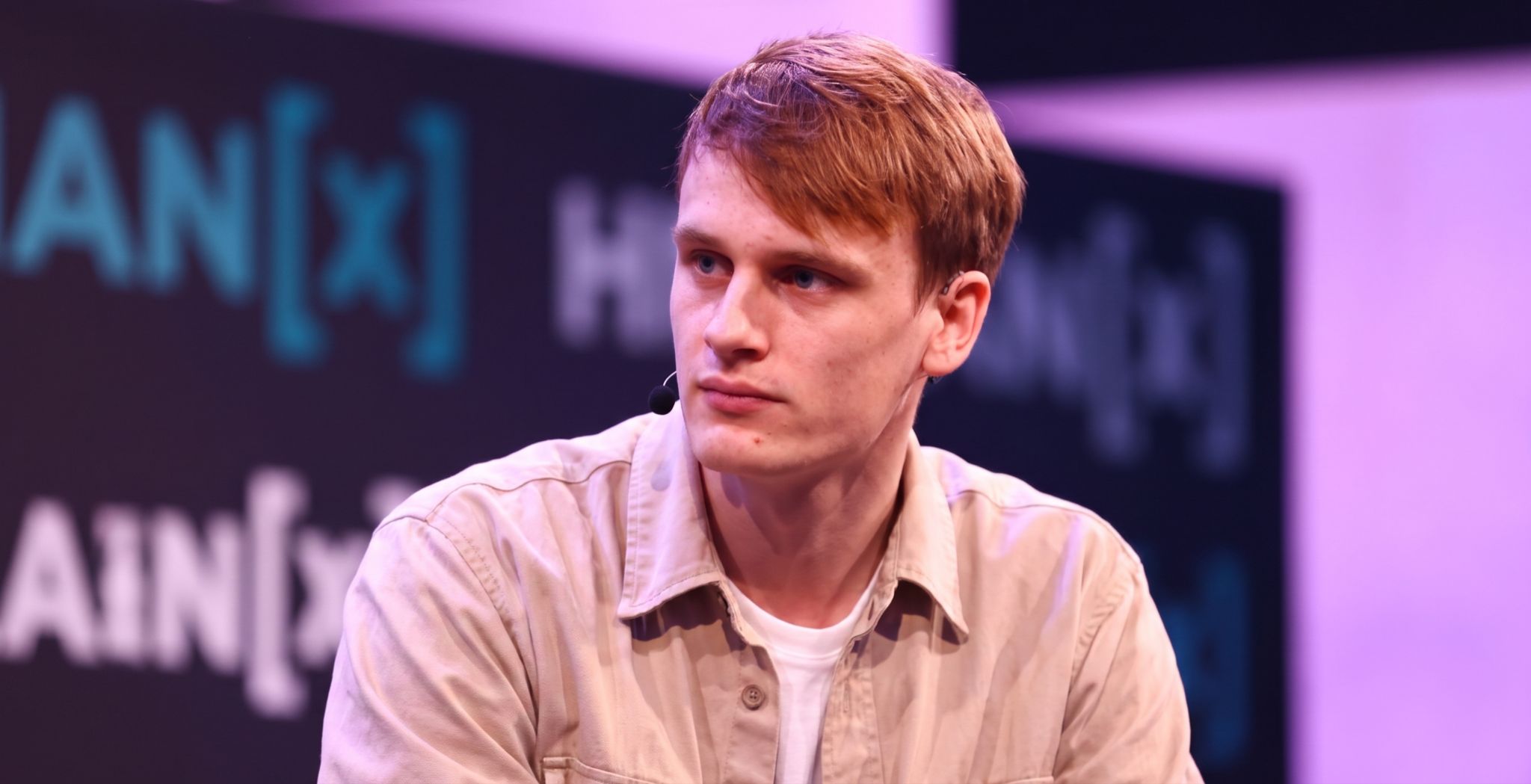
Lovable Dev is negotiating with investors to raise a new financing round, which would value the Stockholm startup at approximately $6 billion, as affirmed by several people familiar with the discussions. The figure can vary, though investor interest has spiked acutely over recent months as Lovable Dev continues to scale at a historic rate.
The company raised its Series A four months ago with a valuation of $1.89 billion. That $200 million round was led by Accel and drew more than 20 investors. Secondary buyers pushed valuation expectations much higher shortly afterward, with prices rising from $4 billion to $5 billion in rapid succession. Early investor Alexandre Berriche described these returns as rare for such a short period.
A Fastest-Ever Growth Curve
Lovable’s ascent is tied to a model called vibe coding. Users describe the software they want in natural language, and the platform produces full-stack applications. This approach sets Lovable Dev apart from traditional low-code services by generating front-end, back-end, and database layers in a single flow. It has become popular among developers and nontechnical users.
By June, Lovable had become the fastest-growing software startup in history, reaching $100 million in annualized subscription revenue only eight months after launch. That rate topped benchmarks previously set by Wiz and Deel. Growth continued over the summer, and CEO Anton Osika later confirmed that Lovable had reached $200 million in annual recurring revenue, doubling its total from four months earlier. He explained that Lovable determines ARR by multiplying the prior month’s revenue by twelve.
User metrics have expanded at a similar speed. Lovable reported 8 million active users, up from 2.3 million in July. Many begin as casual creators who use Lovable Dev for prototypes or small tools. Others bring the platform into workplaces, which sometimes leads to larger commercial agreements.
Enterprise Momentum and Real-World Adoption
According to Osika, enterprise accounts constitute a large portion of the customer base. “If you look at people who have accounts from enterprises, it's like half,” he told Fortune.
Individuals usually introduce the product to colleagues, which can lead to securing contracts worth millions of dollars. This strategy will be at the center of Lovable Dev as it aims to further integrate within busier units.
Osika described Lovable’s mission this way: “Everyone becomes a developer in the future.” He said the company wants to “simplify all the steps of product development, the entire life cycle, from building it, hosting it, maintaining it, testing it, and doing experimentation.”
Lovable is building an AI interface that gives customers tools to connect systems and customize workflows. The company believes this will help teams ship software more quickly. This broader platform vision is key as Lovable Dev competes with companies building their own AI coding products.
Competition Across Global Markets
Competitor services have taken off. Cursor, a developer-centered business, recently reached a valuation of $30 billion and crossed $1 billion in annualized revenue. Replit, Cognition, and Bolt are also growing their presence. Larger firms such as OpenAI, Anthropic, Microsoft, and Google have introduced or enhanced their coding software. Google, too, forked out $2.4 billion to acquire the founders of Windsurf after the first acquisition deal fell through.
Despite this crowding, Lovable Dev argues that simplicity will keep attracting users. “We are building for the nontechnical and the 99%,” Osika told Fortune. He said the team is “obsessed with being simple” and that momentum has supported this approach.
Expanding Leadership and Global Exposure
To support its next phase, Lovable hired several senior leaders. They include Maryanne Caughey, former chief people officer at Notion and Gusto, Elena Verna from Dropbox, and Meta alum Charles Guillemet. Several of these leaders relocated to Stockholm, and the company is opening hubs in San Francisco and Boston.
Osika said staying in Europe has been an advantage. “I can sit here now and say, ‘You can build a global AI company from this country.’ There is more available talent if you have a strong mission and a team that is working with urgency.”
A Decacorn Path Ahead
Lovable has raised more than $225 million since its founding. With a rumored $6.3 billion valuation now under discussion, Lovable Dev is positioned to become one of Europe’s fastest companies to reach decacorn scale. Its next challenge will be converting millions of free users into long-term enterprise relationships. If it succeeds, Lovable Dev could redefine how software is created across global markets.