
Google Adds Big Gaming and Controller Upgrades in Android 17
Android 17 may bring major gaming upgrades with native controller remapping, deeper gamepad support, and performance boosts for mobile gamers.

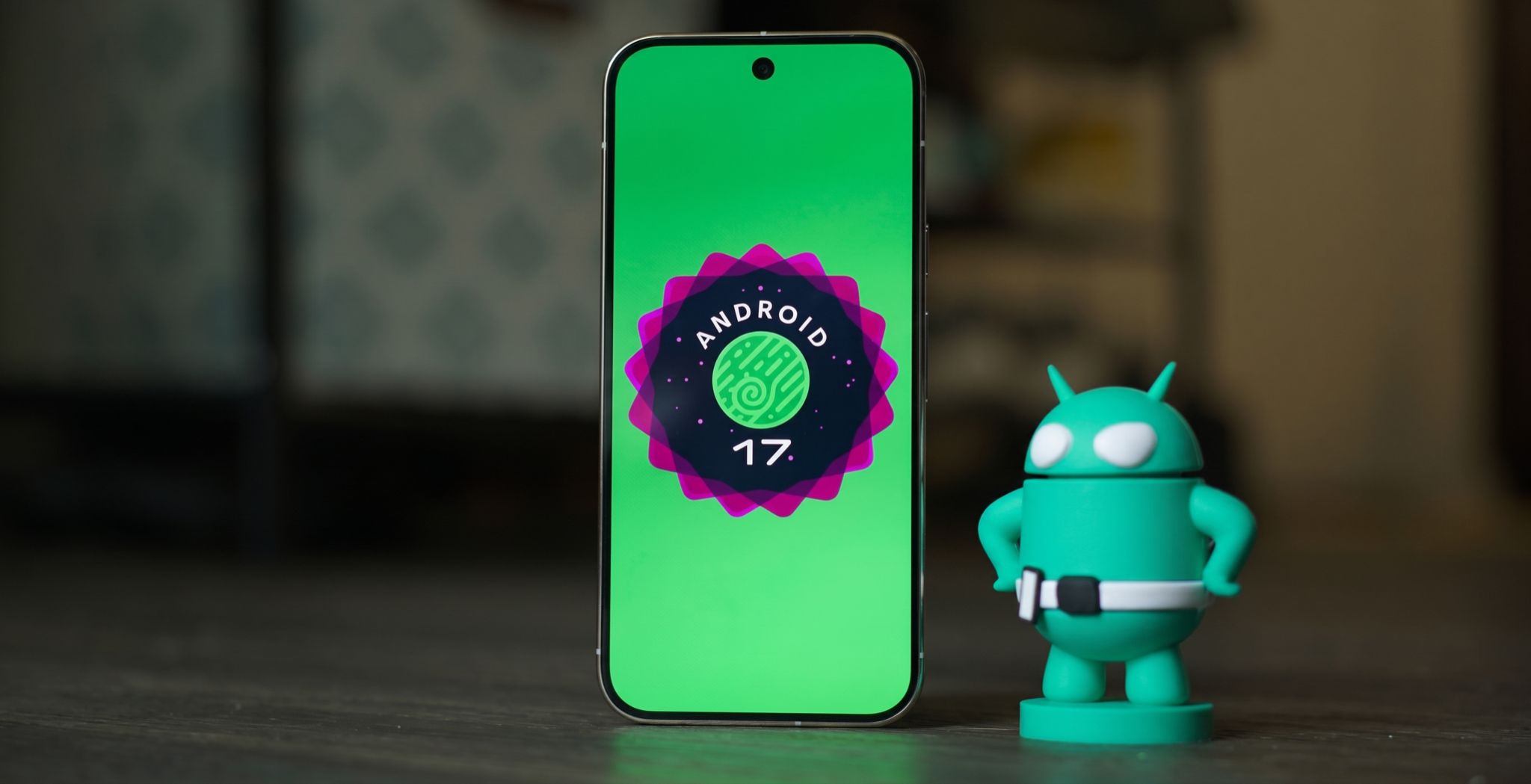
Google’s next major mobile update may signal a turning point for mobile gaming fans who rely on physical controllers rather than touch controls. Android 17 is shaping up as a release that could push smartphones and tablets closer to console style experiences, according to early clues found through recent software builds.
Early Signs of a Gaming Shift
Google’s Android 17 update might be gearing up for a major gaming shift for smartphones and tablets. Early clues suggest something big is brewing, from controller tweaks to deeper integration. With the rise of gaming handhelds, Google seems to be betting on smartphones as a rightful alternative. However, given the current state of the Android OS, major upgrades remain necessary to shake up the market. With Android 17, Google may finally expand operating system gaming capabilities, starting with deeper physical controller integration, new features, and performance improvements.
Android 17 is not expected to receive an official announcement until sometime during the second quarter 2026. Despite that timeline, a glimpse of future plans already appears through recent Android 16 builds. Those builds include code references pointing toward features expected for a next major operating system version, with gaming as a clear focus area.
Console Style Controller Management
According to strings of code discovered within a recent build by Android Authority, Google appears to be working on a dedicated settings section for connected gaming accessories such as gamepads. If this feature reaches Android 17, users could gain direct access to manage accessories through system settings. This change would represent a shift toward console-like management of controllers on mobile devices.
Another feature tied to those findings involves controller remapping. Code spotted inside Android framework suggests users may program or remap buttons and controller elements to perform different actions. That approach mirrors functionality available on standalone consoles and through Google Play Games for PC. Android Authority notes that this functionality may remain limited to system level use rather than third party apps and games. Since development remains ongoing, changes could arrive as testing progresses.
Controller remapping references also include a virtual gamepad. This could allow gamers to customize shortcuts with greater ease. Support for an on screen gamepad could also appear for large screen Android devices. Code references mention standard buttons such as D pad, left and right triggers, menu buttons, and joysticks.
Broader Controller Compatibility
Beyond button mapping, Android 17 could bring deeper integration with external controllers. Users may see improvements such as lower latency connections and broader compatibility across more controller brands. Building upon gaming focused upgrades introduced through Android 16 at a system level, Google may continue delivering performance boosts. Graphics APIs such as Vulkan may receive additional attention as part of those performance efforts.
Google is expected to officially unveil Android 17 sometime during April or May 2026. A developer preview could begin earlier, potentially during the coming months. Observers continue watching for further details related to gaming enhancements that could benefit mobile gamers across device categories.
Native Remapping Versus Existing Options
Android 17 could add an option allowing users to remap controls for games to preferred buttons on a connected controller. While similar functionality exists today, it remains unavailable as a native Android feature. Discovery of a button remapping menu inside a Game Controller Settings menu appeared within an Android Canary 2512 update, according to Android Authority. A controller must remain connected for remapping since the phone needs to recognize each input.
Current testing shows early development status. The remapping screen does not yet display correct inputs for a connected DualSense controller. It does show how Android reads remapped inputs at a system level.
Button remapping already exists through alternative methods. Users can remap controllers through specific apps and device software. Examples include Razer controllers using Razer Controller app, ASUS ROG Phone controllers using built-in features, REDMAGIC devices, and GameSir solutions. Controller type does not matter for those devices. Despite availability, a native feature could simplify setup and create a consistent experience across hardware.
Reports from mid November suggested Google may explore forced controller support for every game. Such support would align closely with system level remapping. As development continues, Android 17 appears positioned as a release that could reshape expectations for mobile gaming using real controllers.