- Published
- Updated
Adriana Kugler Quits Central Bank After Ethics Violations
Adriana Kugler’s abrupt departure follows disputed financial trades, Powell’s waiver refusal, and heightened scrutiny of ethics rules shaping Fed governance.
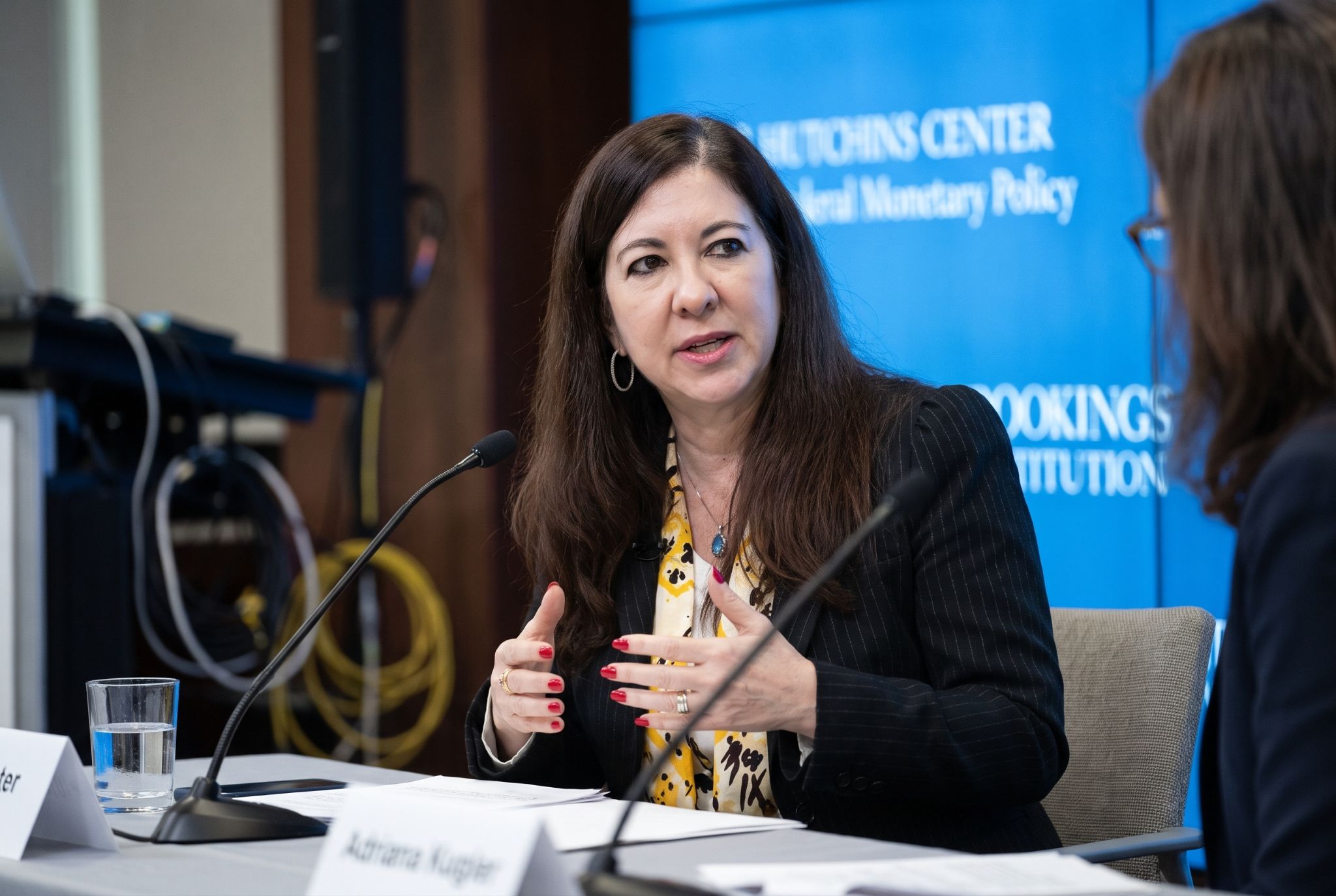
Adriana Kugler stepped down from the Federal Reserve Board on August 1 after scrutiny over a series of financial transactions tied to her and her spouse. A new filing released by the Office of Government Ethics presented transactions that break rules governing senior Fed officials. Such regulations limit the buying and selling of single stocks and blackout time before rate determinations. The report revealed repetitive trades in 2024, which weren't in compliance with those criteria, with several overlapping with sensitive moments before policy meetings.
The strain escalated when Fed Chair Jerome Powell declined a waiver request from Adriana Kugler. She sought consent to rectify out-of-compliance investments before the July 29-30 policy meeting. The waiver rejection was confirmed by one of the Fed officials. Adriana Kugler missed that meeting and gave “personal” reasons for her absence. She left her post the next day.
New disclosures highlighted additional trades that weren't present in prior reports. These details expanded the scope of inquiry and raised fresh questions for a central bank still working to rebuild confidence after earlier controversies.
Detailed Transactions That Prompted Questions
The ethics filing listed a Southwest Airlines stock purchase on March 22 valued between $1,001 and $15,000. A second transaction of similar size appeared on April 17. A sale of Southwest shares worth between $15,001 and $50,000 took place on April 29. That date fell one day before a scheduled two-day rate discussion.
Another transaction involved Cava Group stock purchased on March 13. That buy occurred less than one week before the March 19-20 rate-setting meeting. Extra trades involving Apple and Caterpillar also appeared within the documents.
An endnote stated, “Consistent with her September 15, 2024, disclosure, certain trading activity was carried out by Dr. Kugler’s spouse, without Dr. Kugler’s knowledge, and she affirms that her spouse didn't intend to violate any rules or policies.”
Adriana Kugler's final disclosure didn't meet certification requirements. Ethics officer Sean Croston wrote that concerns tied to her file were sent to the inspector general during January.
Inspector General Opens A Formal Review
A spokesperson for the inspector general confirmed that they “received a referral from the Board’s Ethics Section regarding certain matters related to this filing. We've opened an investigation and, consistent with our practice, we are unable to comment further until our investigation is closed.”
That investigation adds weight to a period of tightened oversight. The central bank strengthened its rules after lawmakers criticized earlier trading activity by officials across regional banks during 2020. Those episodes resulted in multiple resignations and far-reaching updates to conflict-of-interest standards. Officials now must follow strict holding periods and sizable restrictions on asset types across their personal accounts and family accounts.
A Fed official said Adriana Kugler received additional ethics training after initial concerns surfaced. Though later filings showed more trades violating updated limits. These documents formed the basis for the inspector general referral.
Impact On Leadership And Policy
Adriana Kugler joined the Federal Reserve in 2023 as an appointee of President Joe Biden. Her arrival stood out because she was the first Hispanic member with a voting seat on interest rate decisions. Adriana Kugler's term was scheduled to last through January, although her departure created a vacancy sooner than expected.
President Trump filled that vacancy with Stephen Miran, his chief economist. Miran has pushed for quicker rate cuts, positions that depart from the stance of several other policymakers. His appointment unsettled analysts because his role inside the White House raised questions about independence. The exit of Adriana Kugler shifted policymaking dynamics at a moment marked by economic uncertainty.
Her sudden departure occurred while Congress continued to debate how far ethics rules should go. Past controversies showed weaknesses across several layers of oversight, and lawmakers voiced concerns about adequate transparency.
Calls For Greater Accountability
Senator Elizabeth Warren, a Democrat, said in her statement that “I’ve long called for stronger ethics rules to prevent improper trading by Fed officials. Congress needs to pass bipartisan legislation to make the Fed more transparent and accountable.”
Adriana Kugler's case has become a focal point for policymakers, analysts, and lawmakers studying how these issues developed. Her case stands as a reminder that every transaction carries weight for an institution that relies on public trust. And as Warren's statement reflects, the outcome of the investigation is likely to have a great influence on future oversight decisions.