- Published
F2 CEO Don Muir Sees The Future Of Finance In LLM-Agnostic
Don Muir argues the real advantage in finance lies in flexible AI systems, not model rivalry, as firms shift to scalable LLM-agnostic platforms.
Google’s launch of Gemini 3 set off the AI world in full swing. Commentators circulated benchmark calculations across social feeds. Analysts speculated about leadership changes. Anthropic released Claude Opus 4.5 soon after. Even xAI followed with Grok 4.1.
And the scoreboard changed again.
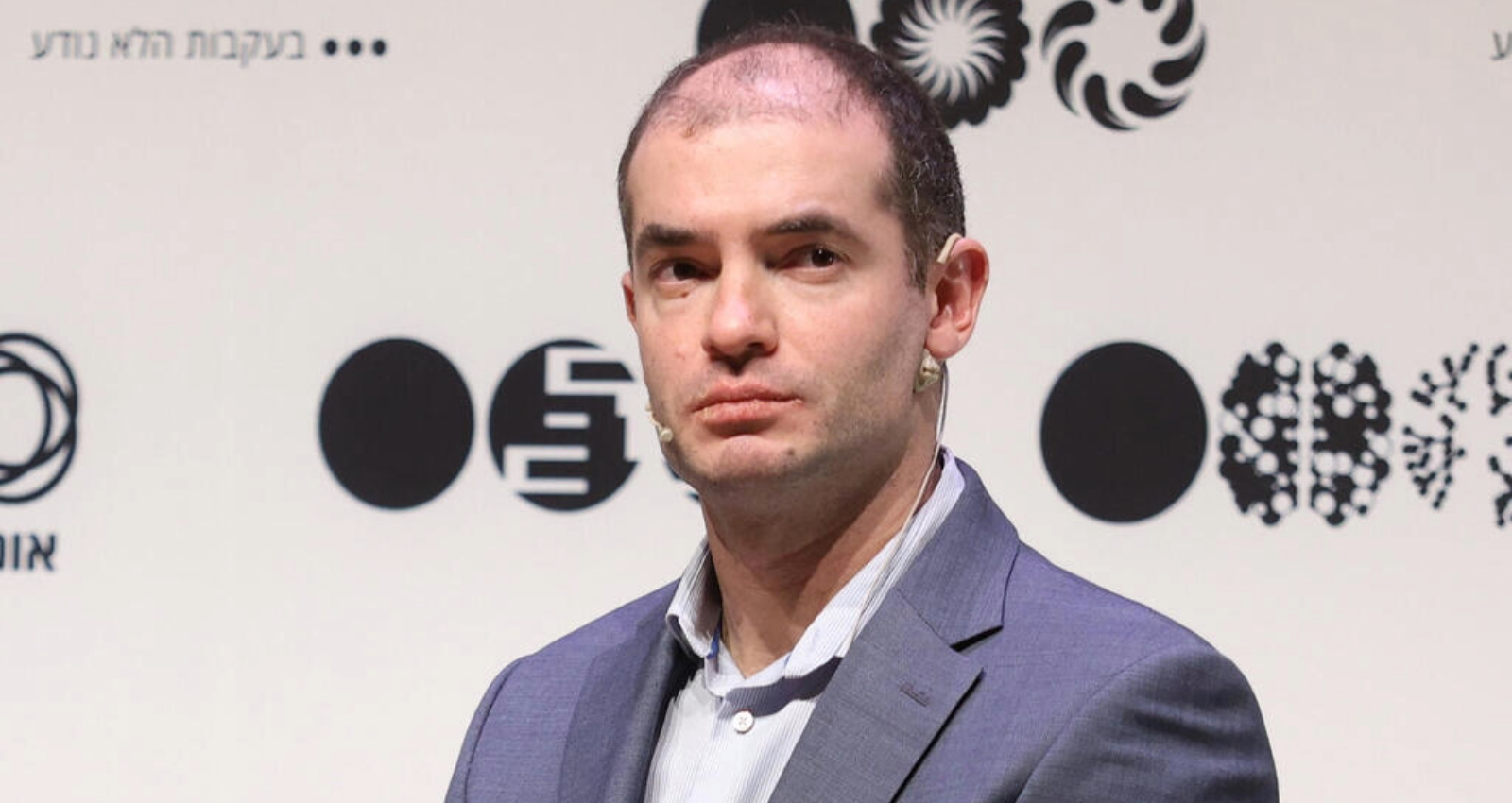
To Don Muir, the ongoing model rivalry distracts from a much larger shift across financial systems. As the CEO of AI platform F2 and the Co-Founder of Arc, Don Muir has observed every twist in the model race. Yet the cycle of weekly breakthroughs only reinforces his core view. The firms that win will not be the ones choosing a single model. The firms that win will build flexible systems that use several models at once.
The Tweet That Lit Up The Tech Conversation
A viral tweet by internet personality Andrew Lokenauth stirred the online debate. It pointed out the scale of data handled, custom chips, massive capital base, and worldwide distribution of Google through YouTube, Search, Gmail, Maps, and Android. The tweet claimed OpenAI is facing financial strain, as well.
It read:
“Sam Altman admits OpenAI is in trouble after the Gemini 3 release in a leaked memo, per The Information. Google has the World's data, its own chips, and unlimited cash. Google has YouTube, Search, Gmail, Maps, and Android. Billions of users. No other company has that combo. OpenAI is projected to lose $7B by 2028. They're burning $8.5B a year trying to compete. OpenAI's valuation is $500B, but its revenue is $13B. That's a 38x revenue multiple. Google trades at 7x revenue with actual profits.”
The tweet spread quickly. It packaged the model competition as a dramatic face-off. Google versus OpenAI. Gemini versus GPT.
Finance Saw a Different Issue
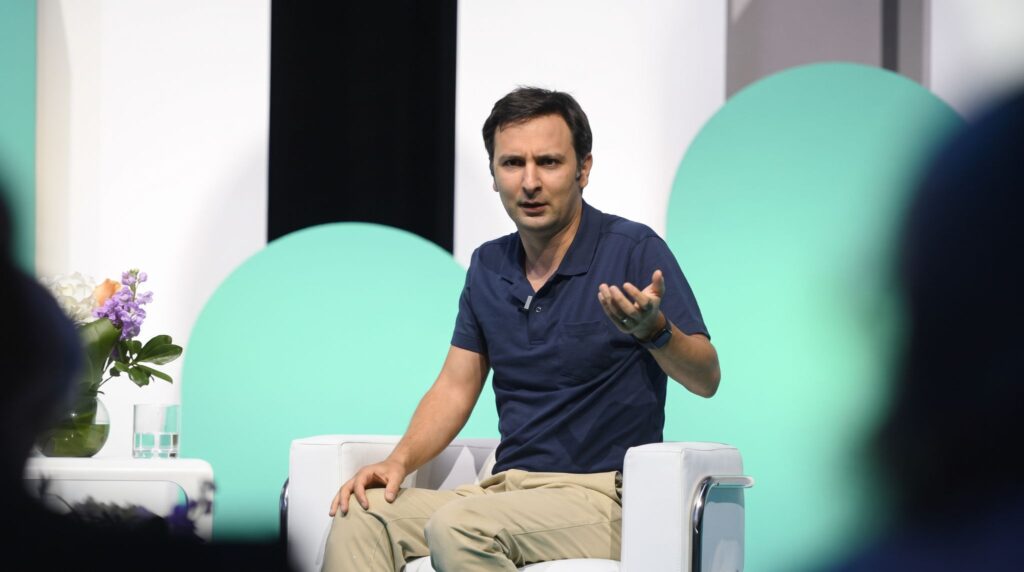
As the technological viewers glued up to the competition, the credit funds and asset managers worried about the structural risk. They doubted the rationality of their underwriting systems, built around a single model in an era of rapid change. That is what Don Muir explicitly stated at the Private Markets AI Summit in New York.
He told the audience: “If the frontier shifts every quarter, why would you hardwire your underwriting process to one engine and hope it stays on top?”
Muir’s comment reflected a deeper concern that many finance leaders share. Adoption cycles inside banks stretch across several years. AI models evolve across several months. The mismatch is too large to ignore.
How Don Muir Reached His View
Prior to Arc and F2's founding, Don Muir was employed in private equity at Apollo Global Management, Onex Partners, and The Boston Consulting Group. He spent long nights reconciling messy data rooms and tying out complex Excel files. Negotiations frequently fell through, and the whole procedure wasted time. When he founded Arc and later F2, Don Muir wanted to rebuild those workflows with better tools rather than chase model hype.
His group compared general-purpose models against private credit tasks. They tested leverage calculations, net debt, cohort analysis, and Excel parsing. The results varied unpredictably. No single model handled every step with consistent accuracy. Don Muir summed it up in his Forbes column: “Financial analysis is a different beast. It is multi-step, math-heavy, and intolerant to hallucination.”
Why LLM-Agnostic Architecture Matters
Don Muir argues that the largest danger is not choosing the wrong model. The largest danger is choosing one model at all. A fund tied to a single model loses optionality. Even if that model performs well today, another model may perform significantly better tomorrow.
A firm that uses LLM-agnostic architecture avoids that trap. It can route each workflow step to the model that performs best. Extraction may use one model. Forecasting may use another. Memo generation may use a third.
Performance stays current. Costs stay flexible. Competitive position stays protected.
According to Don Muir, this approach turns every new model release into an upgrade. Gemini 3, GPT updates, Claude improvements, Llama advances, and Grok iterations all become inputs rather than threats.
The Path Forward For Private Credit
Don Muir believes financial firms gain measurable advantages from this structure. Funds using model-agnostic systems qualify borrowers faster. They diligence more deals with cleaner data. Their investment memos reflect stronger analysis. These benefits compound through time. Once a performance gap forms, it expands steadily.
The conclusion is clear, as per Muir. Finance does not need to pick a champion between Gemini and GPT. Finance needs underwriting platforms that make that question irrelevant. For professionals who remember entire weekends spent fixing broken spreadsheets, the move toward LLM-agnostic systems feels overdue.
Muir sees a future shaped by constant model upgrades. The winners will be the firms that can absorb every one of them without rebuilding anything.