- Published
- Updated
Jon McNeill Shares Tesla Takeaways From Chinese EV Teardowns
Ex-Tesla president Jon McNeill shares how Chinese EV teardowns revealed cost, speed, and engineering insights that helped shape Tesla’s strategy.
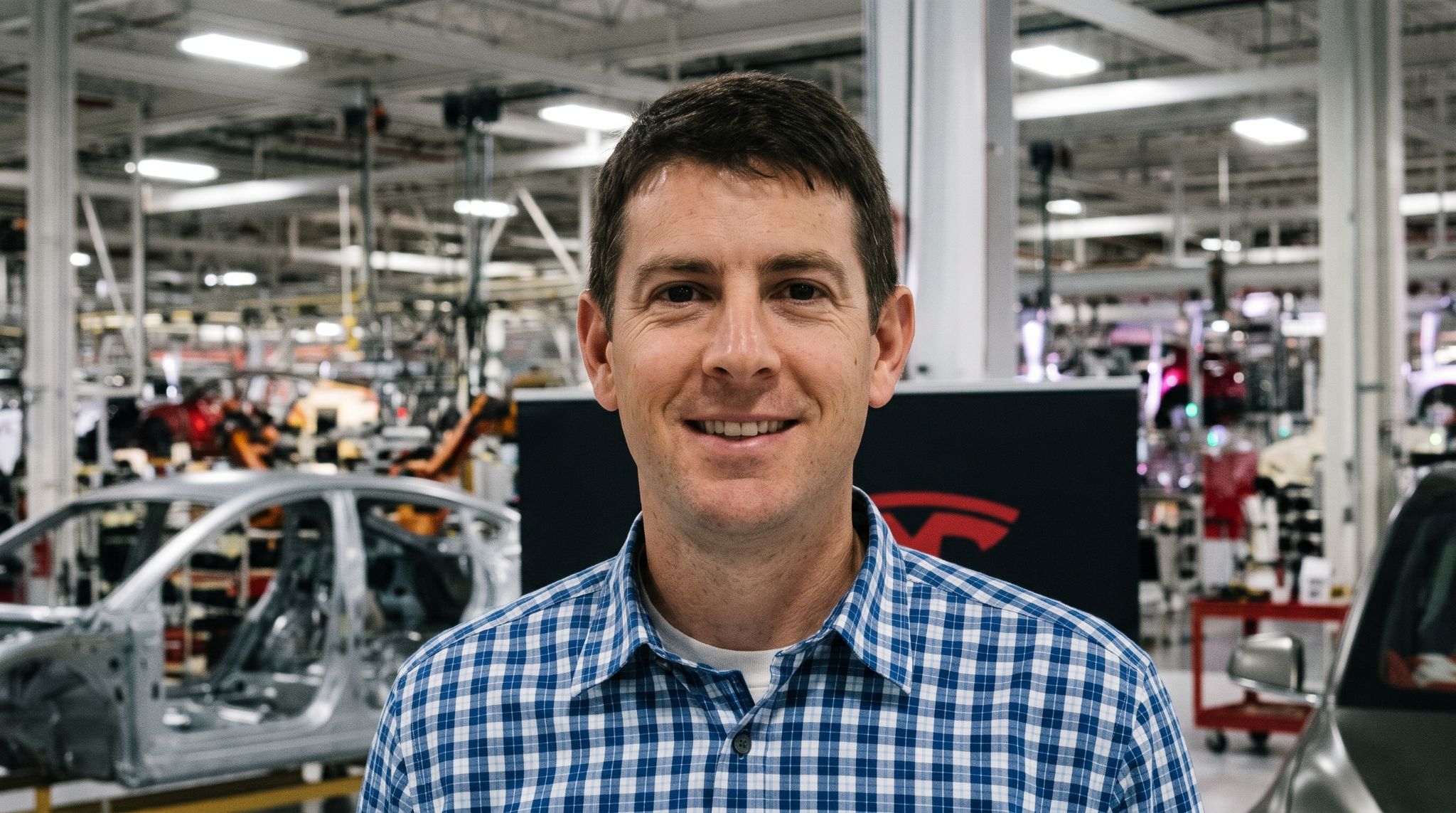
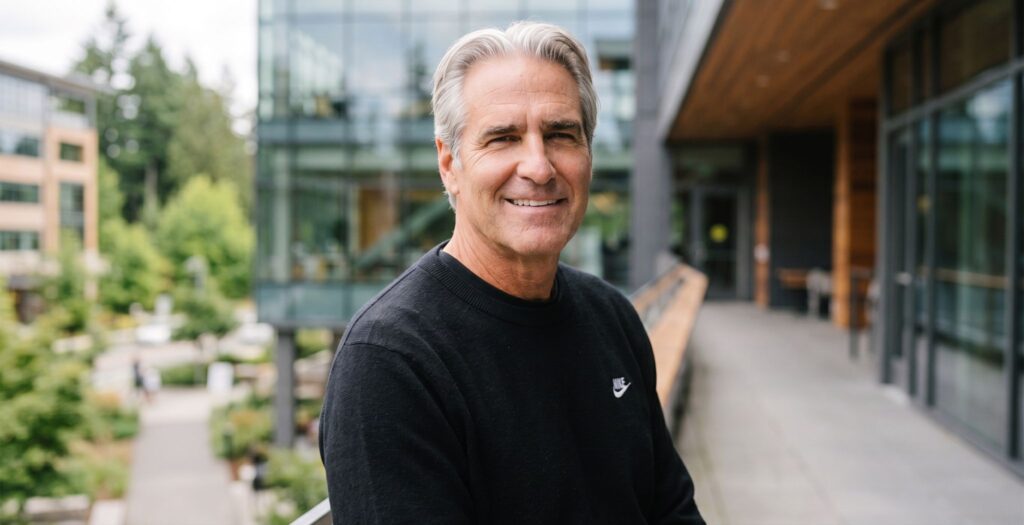
Tesla studied Chinese electric vehicles by tearing them down to understand how competitors delivered lower costs and faster production. That process helped shape several Tesla models, according to former Tesla president Jon McNeill. He served at Tesla for nearly three years and now sits on General Motors’ board. Jon McNeill told Business Insider that teardown work is routine across the auto sector. Tesla participated in the same long-standing practice.
“Tesla is a learning sponge,” McNeill said.
He described China as a highly competitive market where automakers constantly watch each other. McNeill said Tesla used detailed teardowns to learn where Chinese companies gained speed and efficiency. Those lessons showed up in Tesla vehicles that many customers drive today. Although he didn't identify the specific Chinese brands Tesla examined during his tenure, he recently observed a separate teardown of BYD vehicles with GM. The teardown highlighted how deeply BYD reused parts.
Chinese EV Makers Take Part in Reuse Further
According to Jon McNeill, Chinese companies focus on reusing key parts across models to simplify manufacturing and keep costs down. That reuse includes small components often ignored by other global automakers.
“If you tear down all the BYDs, same windshield wiper motor across all of them; same heat pump across all of them; same conduit across all of them,” he said.
McNeill said this consistency shows a disciplined engineering structure. Chinese automakers don't divide design teams in ways that create unnecessary variation. The shared components help avoid redundant development work for internal systems never noticed.
McNeill added that the technique was “super smart because a windshield wiper motor really doesn't change or add to the experience.”
Tesla already used significant parts commonality before. Elon Musk said in a 2019 earnings call that the Model Y shared about three-quarters of its parts with the Model 3. Musk said the overlap helped Tesla scale production faster and manage costs during expansion. McNeill said Chinese automakers invested even more heavily in consistent component selection. The reuse reached deeper into parts that don't change across models.
How Part Reuse Differs From Platform Sharing
Jon McNeill said this approach differs from platform sharing. Platform sharing involves using the same frame or architecture for several vehicles. Chinese EV makers reuse far more than the underlying structure. They reuse smaller and less visible components that legacy automakers often redesign for each new model.
“Toyota uses completely different heat pumps, wiper motors, and seat actuators for each model. In other words, the guts of a Corolla are almost completely different from a Camry,” he said.
According to Jon McNeill, the strategy matters for any automaker that wants to scale quickly. New automakers in particular must control costs at every step of development and production. He also said creating a new automaker is extremely capital-intensive. Jon McNeill said Chinese engineers follow strict cost discipline by reusing components customers never see. He said that practice saves large sums of money throughout development cycles.
Vertical Integration Supports Faster Design
Companies like Tesla, BYD, and Rivian rely on vertical integration. They design and manufacture many components within their own facilities. The structure provides control over design choices. It also simplifies the standardization of parts across vehicle lines. Jon McNeill said these companies gain speed from that level of integration, which lets them streamline production while they expand into new markets.
Rivian CEO RJ Scaringe said his company tore down Xiaomi’s SU7 and praised its vertically integrated platform. He told Business Insider that the teardown didn't reveal new methods for major cost reduction inside Rivian. Scaringe said his team understood how Xiaomi reached its costs.
US Automakers React to Chinese EV Engineering
Tesla isn't the only American automaker studying Chinese EVs. A Fortune report said Ford CEO Jim Farley reacted strongly to teardown findings from Tesla models and Chinese vehicles. Farley said the results were “shocking.” The Mustang Mach-E carried about a mile more wiring than a Tesla Model 3. Farley also said Chinese EV companies, including BYD, were “completely dominating” the global EV landscape.
Analysts quoted in reports said Chinese automakers benefit from rapid product cycles and accumulated technical knowledge. China’s new energy vehicle market continued to expand. Xinhua said October sales passed half of all new cars sold.
Chinese officials said the country’s EV growth comes from innovation and quality rather than subsidies. They said foreign manufacturers remain welcome.
Jon McNeill’s View of the Industry’s Future
Jon McNeill continues to highlight the value of disciplined cost control. He said the most useful insights come from careful teardown work. Chinese EV makers offer extensive lessons for global competitors who want to streamline manufacturing. Jon McNeill said those lessons already influence Tesla models and shape wider electric vehicle strategies across the industry.