Jack Rowell Captures Vermont’s Photographic Past in New Book
Jack Rowell captures Vermont’s rich photographic history in his newly released book, featuring local life and iconic portraits spanning decades.

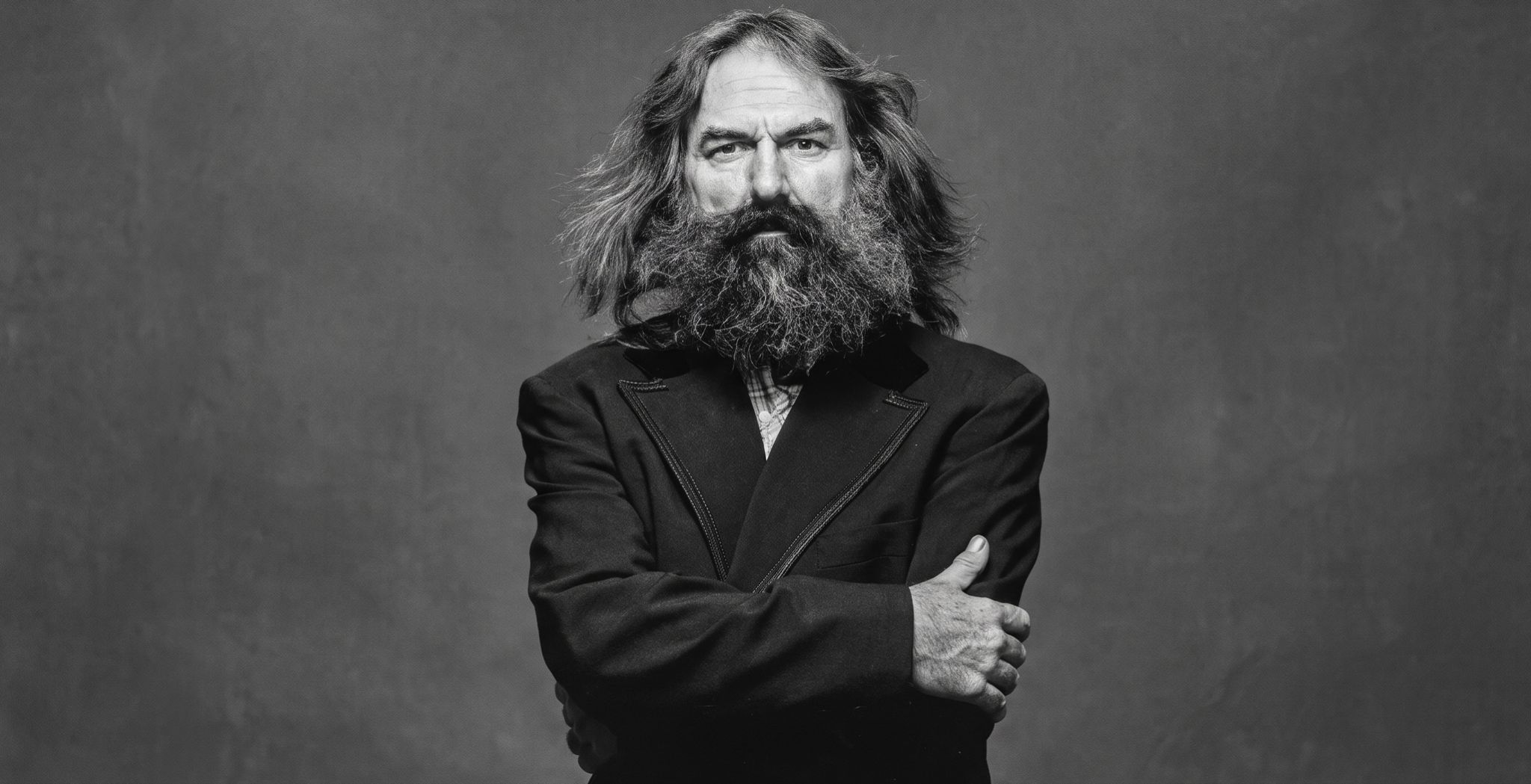
Jack Rowell was still a child when photography entered his life. He was “just a little shaver” when he spent $5 on a Kodak Instamatic at a New York City pawn shop. “I think I was 7 or 8,” the Tunbridge native, now 70, recalled during a phone interview. A few years later, a neighbor loaned him a 35mm Petri camera, and Rowell taught himself how to use it. He began photographing school activities and local figures, including his father, a logger.
By age 13, photography had taken hold. An eighth-grade science teacher built a darkroom at school, and Rowell knew he wanted photography to be his life. Though he continued drawing and painting, photography provided the artistic breakthrough he needed.
Fairgrounds and Early Subjects
None of Rowell’s earliest photographs appear within his new book, Jack Rowell: Photographs, published by Randolph’s Korongo Books. The collection includes images from Tunbridge World’s Fair, which he began photographing during the 1970s. The annual fair was known for beer halls, girlie shows, and drunken revelers. Many photographs from that period were published earlier in his 1980 book Tunbridge Fair.
For the current volume, Jack Rowell restored damaged negatives using Photoshop, a process he taught himself. Like all aspects of digital photography, he learned independently. The book features 121 black and white and color images showing Vermonters encountered across a half-century.
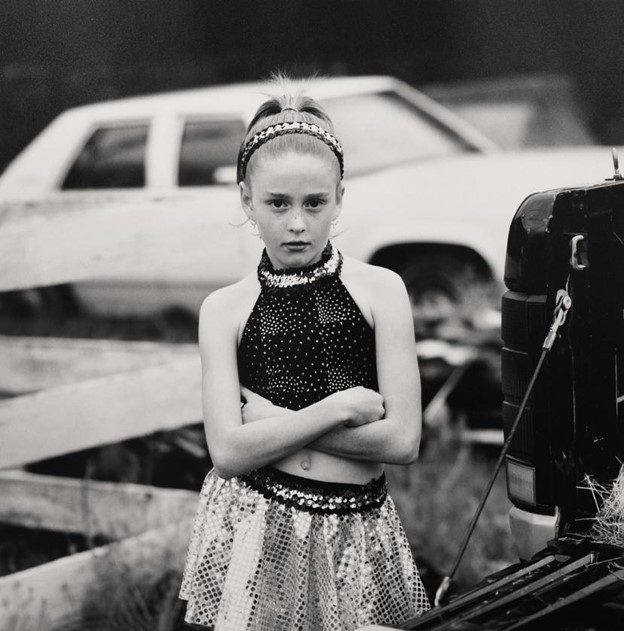
Fairgoers and exhibitors appear alongside hunters, dancers, musicians, authors, trash haulers, carpenters, and children holding animals, creemees, or fiddles. Some individuals could be described as local color, though Rowell’s perspective always remains grounded in familiarity rather than labeling.
Studio Portraits and Trust
Most photographs were taken on location around Upper Valley and central Vermont communities. Cafés, lakes, woods, farms, and concert stages appear frequently. About 50 studio portraits stand apart, revealing Jack Rowell’s technical skill with lighting and his ability to put subjects at ease, including those posing nude.
“I’m just an average guy,” he said. “I think they can relate to that.”
The book opens with an introduction by Korongo publisher Sara Tucker and essays by Chris Jackson and Sue Higby, executive director of Barre’s Studio Place Arts. An index and credits appear at the back. Between those sections, photographs appear without captions. Rowell has said he cannot write due to lifelong dyslexia, but the images themselves carry a narrative.
“I like interesting people,” he said. “Everyone within the book has a good story.”
Faces That Endure
Rowell’s portraits of older Vermonters stand out for their intimacy. Margaret Egerton participated in a 2010 memoir writing project called the Hale Street Gang, led by Tucker and photographed by Jack Rowell. Egerton, then in her late nineties, posed playfully for the camera. “Everyone loved her,” he recalled. One large portrait and four smaller images show her clearly enjoying herself.
Those photographs traveled across five exhibition venues around Vermont and New Hampshire. Like many images in Jack Rowell: Photographs, they spark curiosity and encourage viewers to imagine lives beyond each frame.
The book cover features a 1973 photograph titled “Man on the Midway.” A weathered man strides forward, cigarette held firmly between his lips, eyes direct and steady. His clothing and Blue Seal Feeds cap suggest a farmer attending the fair. The image recalls Walker Evans’ documentation of everyday American life decades earlier.
Place, Time, and Legacy
Rowell’s focus on the place recalls Waterbury photographer Peter Miller. Asked about shared ethos, he said, “Peter and I got along really well. He was a hell of a good photographer, but his [images] are more cute farmers.”
Both photographers photographed Fred Tuttle, the Tunbridge dairyman featured in Man With a Plan, a 1996 satirical documentary. Jack Rowell served as associate producer and shot still photographs for the film. Several portraits of Tuttle appear within the new book, including one showing him dressed as Santa Claus, looking suitably elfin.
Jack Rowell acknowledges the historical weight carried by his work. “This book covers a part of Vermont history that has been ignored,” he said. “It’s an important document.”
Artistic motivation remains central. Asked why portraiture drew him more than landscapes, he said, “I’m used to landscapes. They’re boring; they’re almost too easy. Gaining the trust of people, especially if they’re not used to being photographed — that’s a whole other thing.”
Many images reflect Jack Rowell’s personal life and social circles, including friends, neighbors, and musicians. Some document a wilder Vermont during the 1970s and 1980s, with photographs from bars, fairs, and other local gatherings showing a community in motion.
Jack Rowell: Photographs stand as both record and reflection. “It’s kind of my legacy,” he said. Through his lens, a Vermont shaped by decades of change is preserved while the human stories remain immediate, accessible, and intimate.