Dan Ives warns removing Jensen Huang as Nvidia CEO could wipe $1.2 trillion from the company’s value
On November 10, Wall Street analyst Dan Ives put a price on one person. He said Nvidia could lose up to $1.2 trillion in value if Jensen Huang were…

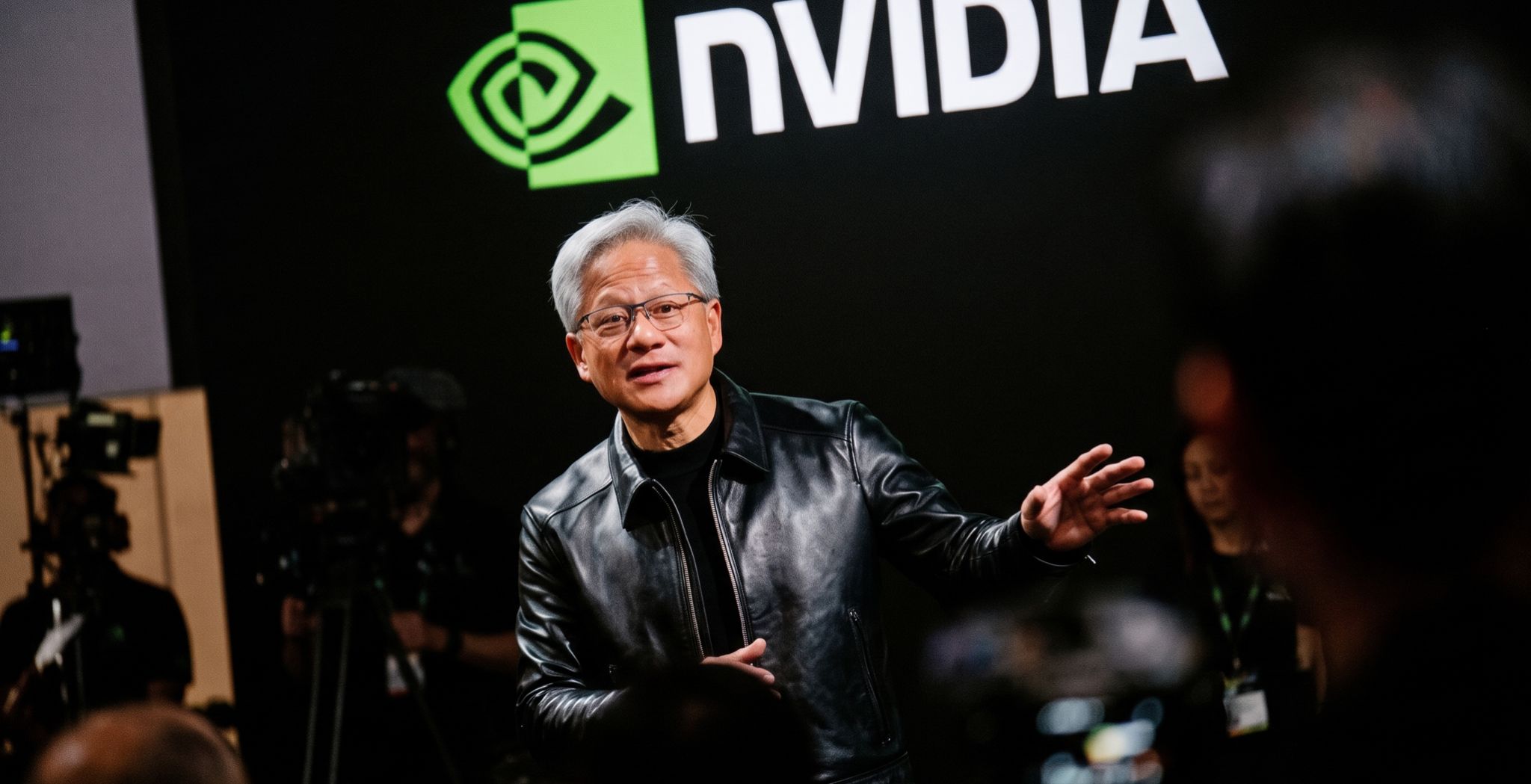
On November 10, Wall Street analyst Dan Ives put a price on one person. He said Nvidia could lose up to $1.2 trillion in value if Jensen Huang were removed as CEO. A day later, Nvidia's board accepted Huang's resignation. The warning stopped being a thought experiment and became a live test of what one leader is worth.
What Dan Ives Actually Said
Ives, a tech analyst at Yorkville Ives, wrote in a research note that Nvidia could lose as much as 30% of its valuation if Huang were removed. He also noted that most investors still expected Huang to keep his job. His blunt summary was that "there is only one Jensen."
Gizmodo reported that Ives expected the stock to lose 25% to 30% of its market value almost immediately. It also reported that he put the odds of an ouster at 15%. With Nvidia worth more than $4 trillion at the time, the top of that range works out to about $1.2 trillion. By simple math, the low end of 25% is about $1 trillion. Ives also said removal would reshape the competitive picture for AI chips in the United States and abroad, especially China.
Why One Executive Carries So Much Weight
Nvidia's own announcement credits Huang with the foundation he created over the last 33 years. The results show how large that company has become. Fiscal 2026 revenue reached $215.9 billion, up 65% from the year before. Data Center sales made up $193.7 billion of that, about 90% of the total.
ABC News in Australia reported that Huang owns about 3.6% of Nvidia's stock and has no obvious successor. It warned that his exit could leave a leadership vacuum. Investors tend to worry when a company's story is tied to one name, and Ives's note shows why.
How the Crisis Unfolded
On November 8, Nvidia's board opened an independent investigation after reports that Huang had been the target of a foreign intelligence effort. A committee of independent directors, working with outside counsel, oversees it. The board said it had no reason to believe national security or company secrets were compromised, and it said it had confidence in Huang. CBS News also reported a shareholder lawsuit and questions from lawmakers.
Huang later admitted to staff that he had been unfaithful to his wife. Reports said the woman involved was suspected of working for Chinese intelligence. ABC News describes that claim as unconfirmed, and China's foreign ministry called it unsubstantiated and a smear.
On November 11, the board accepted Huang's resignation as president, CEO, and director, effective immediately. Nvidia gave no reason. CFO Colette Kress became interim CEO while keeping her finance role, and Harvey Jones became the board's first chair. The board is now searching for a permanent CEO, inside or outside the company.
Did the $1.2 Trillion Warning Hold Up
It is too early to say, and the numbers are messy. On November 13, ABC News in Australia reported that Nvidia stock had fallen at least 24% over the past month, erasing about $1.4 trillion, and that the company was worth roughly $4 trillion. That drop is larger than Ives's figure, but it spans a month of wider AI worries as well as the scandal, so it cannot be pinned on Huang alone.
CBS News reported that the stock shed about 10%, roughly $450 billion, in the two trading days before its November 10 report. Nvidia's board chair, Harvey Jones, said the board expects operations, customer commitments and the product roadmap to continue without interruption. Kress said she wants to build on the foundation Huang created.
Ives gave a forecast for removal alone, and nobody can cleanly separate that effect from everything else. The 15% odds he gave did turn out to be low, since the resignation came the next day.
What to Watch Next
Nvidia will report third-quarter fiscal 2027 results on November 17, its first earnings report since the change. Watch three things. How does the interim CEO describe the business? Who does the board name as the permanent CEO? And what does the investigation find? Watch whether investors treat this as a short-term shock or a lasting discount.
Huang led Nvidia for 33 years, so his exit tests a simple idea. A company can grow far larger than its founder and still be priced as if it depends on him. Ives bet that investors would pay a premium for Huang's presence. The market is now working out what Nvidia is worth without it. For any founder-led company, large or small, the practical lesson is to build a bench of leaders, so that value does not rest on one person.